The government has reduced the prices of jet fuel, kerosene oil and light diesel oil (LDO) by Rs12.06, Rs10.42 and Rs11.44 per litre, respectively. The revised rates took effect on November 21, according to Pakistan State Oil (PSO).
The changes come as Pakistan continues to feel the economic effects of a war involving the United States, Israel and Iran. Tensions in the Gulf have pushed global oil prices higher and raised concerns about energy supply routes.
| Product | Previous | New | Change |
|---|---|---|---|
| Petrol (per litre) | Rs 323.0020 Nov 2026 | Rs 322.00from 21 Nov 2026 | ▼ Rs 1.00 (−0.31%) |
| High-Speed Diesel (per litre) | Rs 355.0020 Nov 2026 | Rs 357.00from 21 Nov 2026 | ▲ Rs 2.00 (+0.56%) |
| Kerosene (per litre) | Rs 283.6414 Nov 2026 | Rs 273.22from 21 Nov 2026 | ▼ Rs 10.42 (−3.67%) |
Source: OGRA notified prices. Data: OilPrices.pk, CC BY 4.0. Prices are maximum ex-depot rates; retail pumps may differ slightly.
New rates for jet fuel, kerosene and LDO
PSO said jet fuel now sells for Rs287.71 per litre, down from Rs299.77. Kerosene oil has fallen to Rs273.22 per litre from Rs283.64, while LDO has dropped to Rs220.28 from Rs231.72.
Also read: OGRA cuts petrol price by Rs3, diesel unchanged at Rs358 · Petrol and diesel prices cut by Rs3 per litre in Pakistan
Petrol and diesel prices after the latest revision
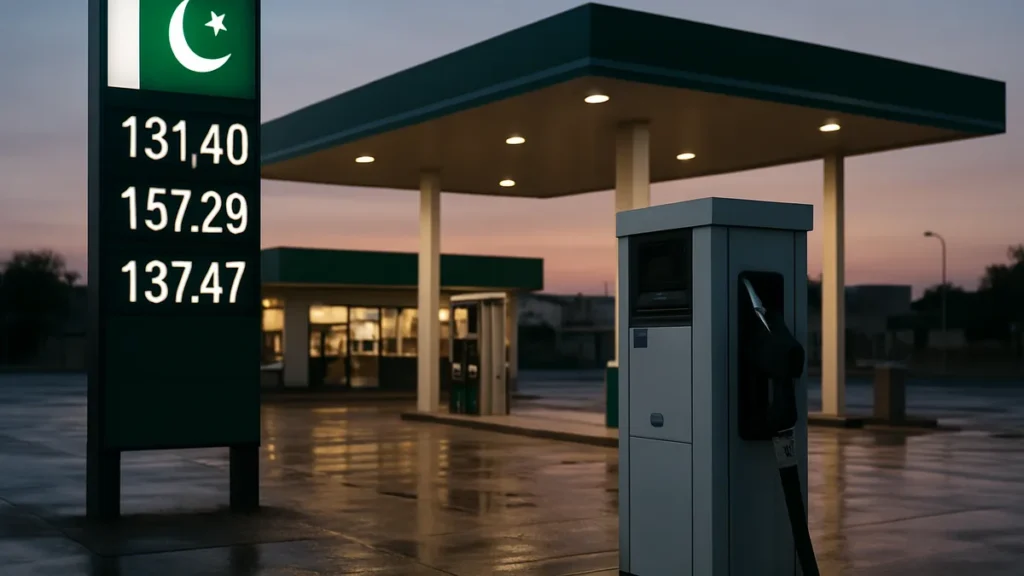
Earlier, the federal government cut petrol prices by Rs1 per litre and raised high-speed diesel (HSD) by Rs2 per litre. After the revision, petrol will be available at Rs322 per litre, while diesel will cost Rs357.
In May, PSO announced a larger reduction in jet fuel prices, lowering the rate by Rs111.44 per litre to Rs330.20 from Rs441.66. Jet fuel had surged by 82% in March.
Rail fares and freight charges rise
Diesel prices were also increased in March, prompting Pakistan Railways to adjust its fares. Economy-class passenger train fares rose by 5%, while air-conditioned classes went up by 10%. Freight charges were increased by 20%.
A railway spokesperson said the department would absorb the additional operational costs of passenger services. Heavy reliance on imported fuel has left the country exposed to rising costs, with concerns over possible disruptions to shipments through the Strait of Hormuz.