

Republican lawmakers, religious figures, and international observers have voiced opposition to the Pentagon’s plan to livestream the execution of former US Army psychiatrist Nidal Hasan by firing squad. The execution is scheduled for December 3 at Fort Hood, Texas, where Hasan was convicted of fatally shooting 13 people in 2009.
President Donald Trump has not yet decided whether to allow the execution to be broadcast live, despite stating that Hasan deserves the death penalty by firing squad and describing him as “totally nuts.” Vice President JD Vance expressed doubt that the livestream would actually take place and said he would not watch it if it did.
Republican lawmakers and religious leaders oppose livestream plan
Several Republican lawmakers publicly criticized the idea of livestreaming the execution. Senator John Curtis warned that “a civilization erodes when it cultivates an appetite for executions as a form of entertainment.” Senators Thom Tillis and Representative Austin Scott compared the livestream to actions by Islamist extremists. Representative Rob Bresnahan emphasized the need to respect the pain of victims and families rather than turning the event into a public spectacle. Representative Michael Baumgartner called for reconsideration of the plan. Democrats were largely opposed to the livestream as well.
Religious leaders also condemned the proposal. Archbishop Paul Coakley, president of the United States Conference of Catholic Bishops, described the livestream as a “barbaric promotion of a culture of death.” Walter Kim, president of the National Association of Evangelicals, said the livestream risks turning a solemn state responsibility into a public spectacle and undermines the dignity of human life.
Military and legal context of the execution
The planned execution would be unprecedented in the United States, as no government execution has ever been broadcast or livestreamed. The US military has not carried out an execution by firing squad since 1945. Hasan, now 56 and believed to be confined to a wheelchair after being shot during his arrest, was convicted in a military trial for the 2009 Fort Hood shootings.
Military regulations do not prohibit recording or broadcasting executions, unlike federal prison system rules. Courts have rejected media lawsuits seeking broader access to executions. The Pentagon has not disclosed whether families of Hasan’s victims will be invited to attend, a common practice in civilian executions, and has not provided details on how the firing squad will be selected or the protocols to be followed. Officials said more information will be released later.
Concerns from human rights and mental health experts
The United Nations human rights office condemned public executions as violations of prohibitions against torture. Shabia Mantoo, spokesperson for the UN High Commissioner for Human Rights, stated that public executions constitute cruel, inhuman, or degrading treatment or punishment. Amnesty International called the use of a firing squad “reprehensible.”
Mental health experts warned that livestreaming the execution could traumatize children. The execution is set to take place at the same military base where Hasan carried out the shootings in a medical facility.
White House and Pentagon responses
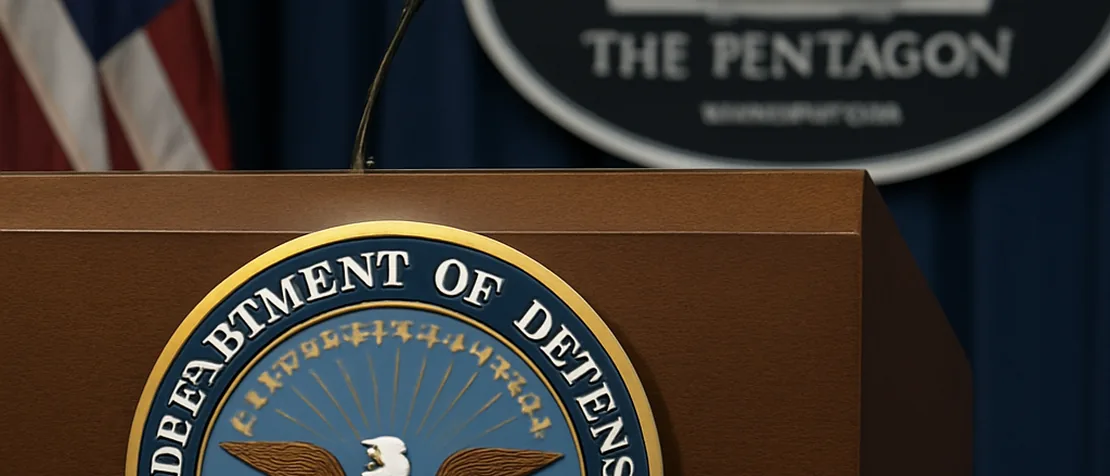
A senior White House official said President Trump does not oppose livestreaming but could change his mind amid concerns from lawmakers, allies, and religious leaders urging against it. Defense Secretary Pete Hegseth, a Trump appointee who confirmed the livestream plans, has made his Christian faith a hallmark of his tenure and has led prayer services at the Pentagon.
Brendan Carr, chair of the Federal Communications Commission, said he understands the execution would not air on broadcast television but deferred to Hegseth on whether US networks could broadcast it. US law prohibits recording or broadcasting executions in the federal prison system, but this does not apply to military executions.
Broader context of death penalty debate
The livestream plan comes amid heightened debate over the death penalty in the US following a botched lethal injection of a Tennessee woman sentenced to death for a 1995 murder. The controversy has intensified ahead of the November 3 midterm elections, where Republicans are seeking to maintain control of Congress.