
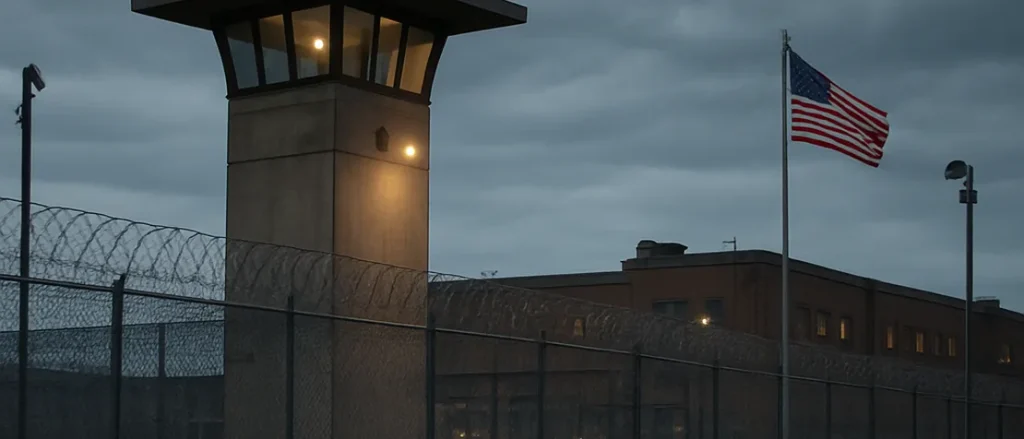

The US government has announced plans to livestream the execution of the Fort Hood shooter, a move that has sparked debate among rights groups and legal experts. This decision is notable as executions are rarely broadcast publicly, and the livestream could reach a wide audience beyond the usual courtroom attendees. The Fort Hood shooting was a significant event, and the execution marks a critical moment in the case’s resolution.
Legal experts have expressed concerns about the implications of livestreaming the execution, particularly regarding the exposure of minors. Typically, minors are prohibited from witnessing executions due to the psychological impact and legal protections in place. Rights groups argue that making the execution publicly accessible online could circumvent these protections and expose vulnerable viewers to traumatic content.
The decision to livestream the execution raises broader questions about transparency, public interest, and the ethical considerations surrounding capital punishment. It highlights the tension between the public’s right to information and the need to protect certain groups from potentially harmful content. The outcome of this approach may influence future policies on how executions are conducted and shared with the public.