
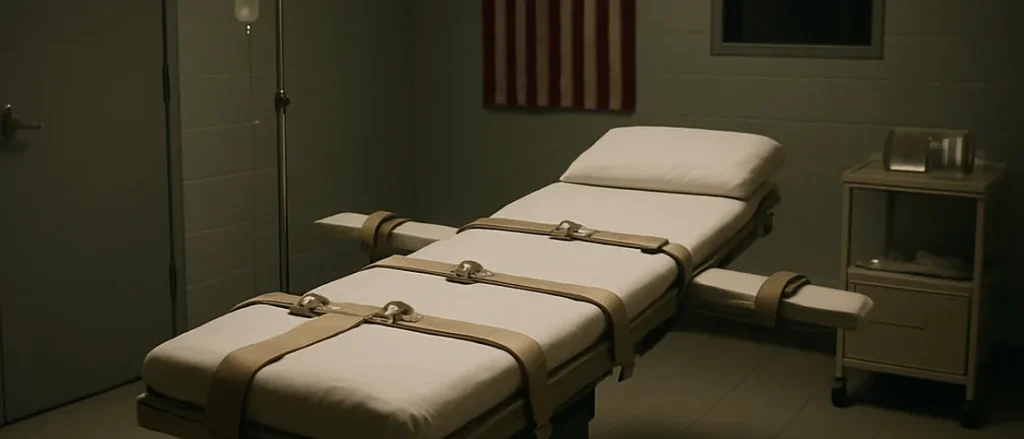

The case of Christa Pike has drawn renewed focus on the ongoing issue of botched executions in the United States. While lethal injection is intended to provide a more humane method of capital punishment, experts note that it often encounters complications during administration. These mishaps can result in prolonged suffering or other unintended consequences, raising ethical and procedural concerns.
Despite the promise of improved execution protocols, the persistence of errors highlights systemic challenges within the death penalty system. The difficulties in consistently carrying out lethal injections without incident underscore the complexity of balancing legal, medical, and ethical considerations. This case exemplifies the broader debate over the reliability and humanity of current execution methods.
The significance of the Christa Pike case lies in its potential to influence public discourse and policy regarding capital punishment. As botched executions continue to occur, they fuel calls for reform or abolition of the death penalty. The case serves as a reminder of the ongoing scrutiny faced by states employing lethal injection and other execution techniques.