LAHORE – Punjab Chief Minister Maryam Nawaz Sharif has given in-principle approval to a panchayat system that will resolve local disputes through mediation, reconciliation and amicable settlements. The initiative aims to involve communities in the legal system and ease the burden on courts.
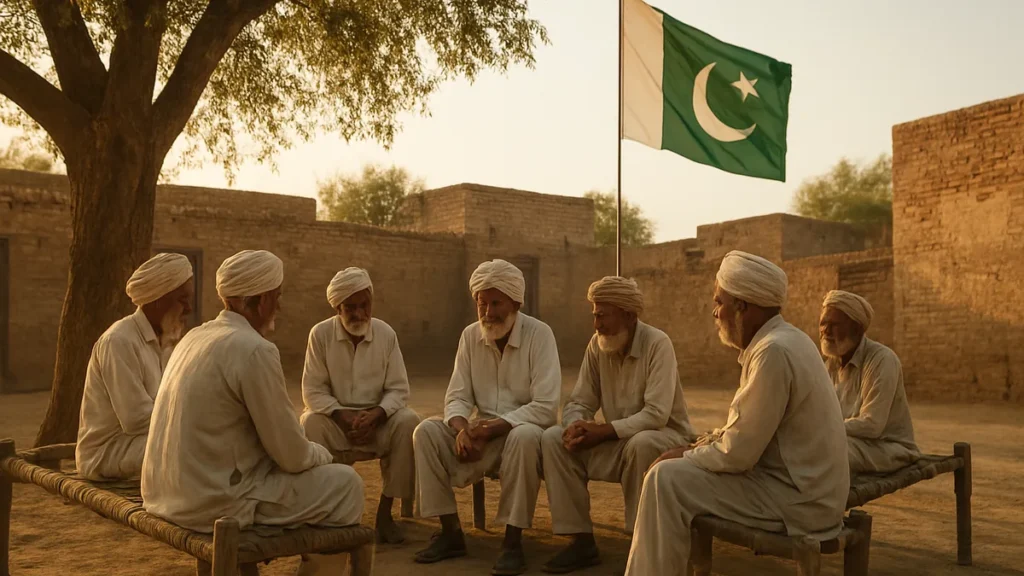
The approval followed a special meeting chaired by the chief minister, where authorities briefed her on the proposed framework. Panchayat committees would be formed at union council, village, locality and mauza levels, and would resolve conflicts only with the consent of all parties.
Panchayat membership and safeguards for women and minorities
Deputy commissioners would choose permanent residents as members based on their reputation, objectivity and discernment. Lambardars, educators, retired judges, former military officers and retired public servants are among the proposed members.
Officials said the system would operate within clearly defined legal limits and improve access to justice for women, minorities, and poor and marginalised communities. A negative list will set out matters beyond panchayat jurisdiction to prevent misuse against vulnerable groups.
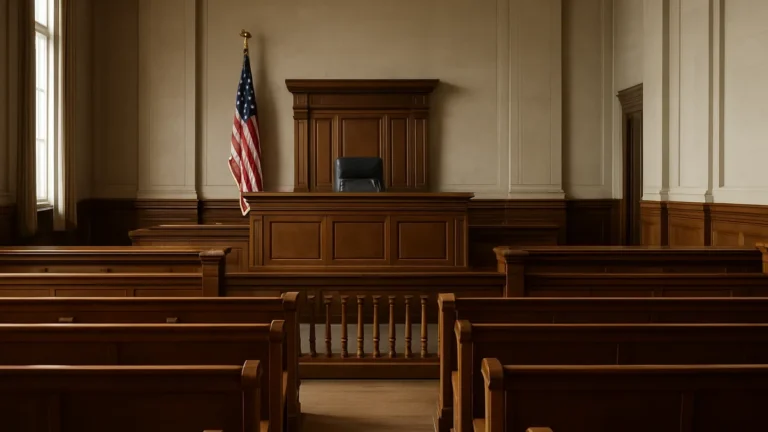
The framework will not undermine citizens’ right to seek judicial protection, and court jurisdiction will remain intact.
Chief minister orders rules and revives local dispute customs
The chief minister directed authorities to draft comprehensive rules, policy guidelines and regulations defining the powers and responsibilities of panchayats. She said the project aims to revive Punjab’s centuries-old custom of settling small conflicts through mutual understanding and community mediation.
She noted that courts should not always be the first venue, and that the knowledge of reputable community members can help resolve many disagreements. According to her, the proposed Punjab Panchayat Act would offer a straightforward, affordable and accessible route for customary disputes within a legal framework.
She said the government aims to empower people through participation in local decision-making, bringing quick and inexpensive justice closer to their doorsteps and easing the caseload on courts.