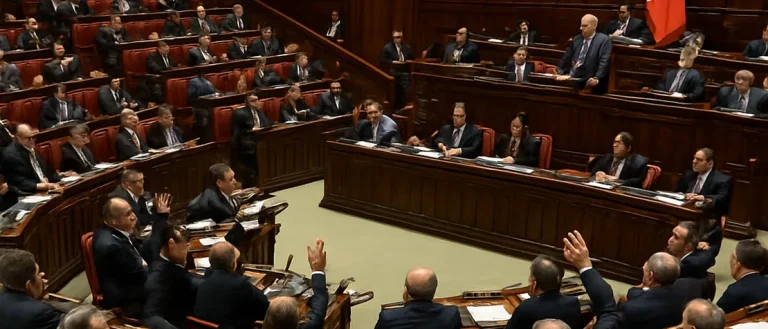



The US Senate recently voted down a proposed bill intended to regulate the electricity costs associated with AI data centers. This legislative effort sought to address the rapidly increasing energy consumption driven by the expansion of artificial intelligence infrastructure. However, the bill failed to gain sufficient support, reflecting the complexities involved in balancing technological growth with energy sustainability.
Democratic lawmakers voiced strong criticism of the bill, arguing that it lacked effective enforcement mechanisms and did not impose mandatory requirements to curb soaring electricity bills. They emphasized the urgent need for more robust policies to manage the environmental and economic impacts of AI data centers, which are becoming significant contributors to national energy demand. The debate highlights growing concerns over the sustainability of AI technology expansion without adequate regulatory frameworks.
In a significant development, this rejection signals ongoing challenges in legislating the energy footprint of emerging technologies. As AI continues to evolve and integrate into various sectors, the pressure mounts on policymakers to devise comprehensive solutions that ensure energy efficiency and cost control. The outcome of this vote underscores the necessity for future legislative proposals to incorporate stronger measures to effectively address the electricity consumption of AI infrastructure.