



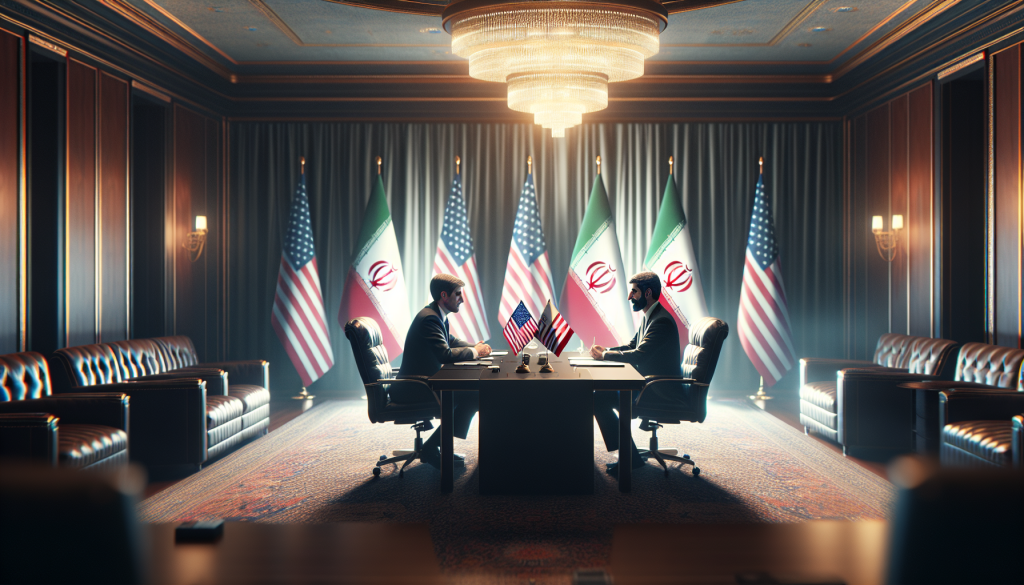
In a significant development, political analyst Mohsen Milani and former White House official Elisa Ewers have offered insights into the complex dynamics influencing the ongoing Iran-US negotiations. These talks, aimed at resolving longstanding tensions, hinge on multiple strategic and diplomatic factors that both sides must navigate carefully. Milani, known for his expertise on Middle Eastern affairs, emphasizes the importance of mutual concessions and trust-building measures to pave the way for progress. Meanwhile, Ewers highlights the role of international pressure and internal political will in shaping the outcomes of these discussions.
The Iran-US dialogue represents a critical juncture in international relations, with implications for regional stability and global security. The negotiations come amid heightened geopolitical tensions and sanctions that have severely impacted Iran’s economy and diplomatic standing. Success in these talks could lead to the revival of agreements that limit nuclear development and open channels for economic cooperation. However, challenges remain, including divergent expectations and domestic political constraints on both sides.
Notably, the perspectives of Milani and Ewers underscore the multifaceted nature of diplomacy between Iran and the United States. Their analysis suggests that beyond formal agreements, sustained engagement and verification mechanisms will be essential to ensure lasting peace. The outcome of these talks could reshape power dynamics in the Middle East and influence broader international policies. As the world watches closely, the stakes remain high for all parties involved in this delicate negotiation process.

Leave an opinion