



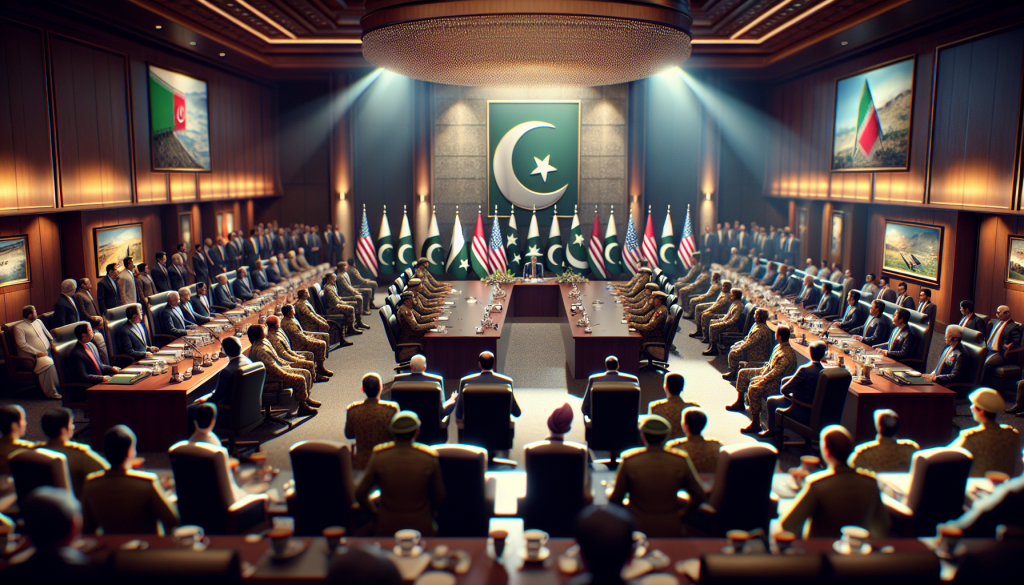
Pakistan’s civilian and military leadership are intensifying diplomatic efforts by traveling between major international capitals to facilitate a potential nuclear agreement between Iran and the United States. This diplomatic shuttle underscores Pakistan’s strategic role in regional stability and its interest in fostering peaceful resolutions to complex geopolitical issues. The ongoing discussions highlight Islamabad’s position as a key interlocutor in South Asia and the Middle East, aiming to bridge gaps between conflicting parties.
Meanwhile, former US President Donald Trump has indicated that a deal with Iran is nearing completion and has suggested he might visit Islamabad to sign the agreement. This development signals a possible shift in US foreign policy dynamics and emphasizes Pakistan’s importance as a venue for critical diplomatic engagements. Trump’s potential involvement adds a layer of political significance to the negotiations, reflecting the high stakes involved in the nuclear deal.
In a significant development, the prospect of an Iran-US nuclear compromise facilitated through Pakistan could have far-reaching implications for regional security and international non-proliferation efforts. Successful mediation by Pakistan would enhance its diplomatic stature and contribute to easing tensions in a volatile region. The outcome of these talks will be closely watched by global powers, as it may set a precedent for future conflict resolution strategies involving nuclear issues.

Leave an opinion