



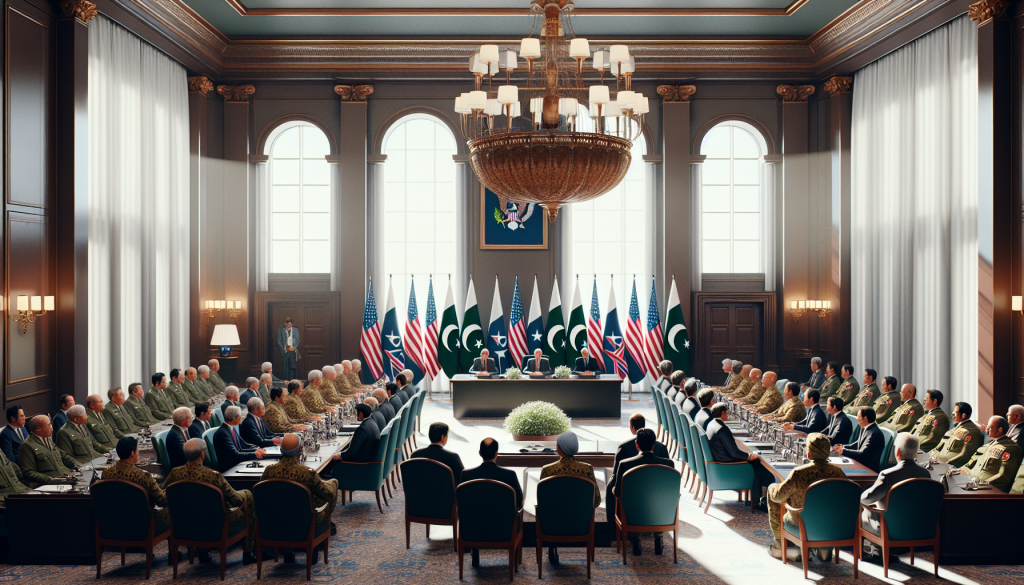
In a high-stakes arena where a single misstep could ignite widespread regional conflict, the world has witnessed Pakistan’s remarkable diplomatic achievement. The Islamabad Accord, a two-phase framework designed to halt the US-Iran war, transcends typical mediation efforts. It represents a daring and calculated initiative, driven by the discreet diplomacy of Field Marshal Asim Munir.
Serving as a crucial balancing force amid the conflict, the Accord highlights Islamabad’s ambition to not only manage the crisis but actively influence its resolution. The first phase demands an immediate ceasefire within hours of signing, with the vital condition that the Strait of Hormuz be reopened without delay. Given the global oil market’s heavy reliance on energy from this region, this provision offers a significant and immediate advantage.
The second phase allows a narrow 15-to-20 day period to negotiate and finalize a comprehensive agreement in person. This stage is essential for securing a binding settlement that addresses the underlying causes of the war.
What distinguishes the Accord from a mere armistice is the substantive “grand bargain” embedded in the agreement. Iran is expected to provide credible guarantees to dismantle its nuclear weapons program. In exchange, the United States will lift both primary and secondary sanctions on Iran and release billions of dollars in frozen Iranian assets. Furthermore, Iran will gain unrestricted access to international oil markets under a new multilateral security framework that includes the Strait of Hormuz.
Pakistan’s unprecedented role in crafting this agreement sets it apart from other regional actors like Qatar, Oman, Egypt, and Turkey, who have supported but not formulated a complete deal. Pakistan’s unique diplomatic assets—such as its recognized nuclear program, close ties with the US administration, and a 900-kilometer border with Iran—have enabled it to take on this critical responsibility. The coordination between Field Marshal Munir, US Vice President JD Vance, special envoy Steve Witkoff, and Iranian Foreign Minister Abbas Araghchi reflects a level of mutual trust absent in previous mediations. Notably, Pakistan is not merely hosting negotiations but actively proposing solutions.
The benefits for Pakistan are substantial. The conflict has strained its western border, threatened energy supplies that fulfill 80 percent of its oil needs, and raised the risk of non-state actors escalating violence. Success of the Islamabad Accord would stabilize commodity prices, ease balance of payments pressures, and allow the Pakistan Army to focus on internal security and eastern deterrence without facing a two-front threat. Crucially, it would bolster Pakistan’s reputation as a responsible nuclear-armed state, potentially increasing its diplomatic influence in future conflicts.
Despite this optimism, seasoned diplomats in Islamabad remain cautious. Several challenges loom, including Israeli opposition to any form of Iranian rehabilitation and the inconsistent US policy shifts between maximum pressure and isolationism. Iran, wary from past betrayals, insists on firm guarantees that its strategic position in the Strait of Hormuz will not be compromised by a short-term ceasefire. Concrete assurances against further attacks are demanded.
The coming three days are critical for the Accord’s survival. Should Field Marshal Munir and Pakistan’s diplomatic corps successfully navigate these obstacles, Pakistan will have executed a strategic breakthrough akin to Nixon’s opening to China—leveraging its own interests to broker peace rather than merely balancing competing powers.
For a country often caught in regional turmoil, the Islamabad Accord offers Pakistan a chance to redefine its role: from a crisis manager to a mature peacemaker. By transforming its geography, relationships, and credibility into instruments of peace, Pakistan has captured global attention. This time, the world watches not for signs of conflict but with hope that Pakistani diplomacy will avert one of the most devastating wars in history.

Leave an opinion