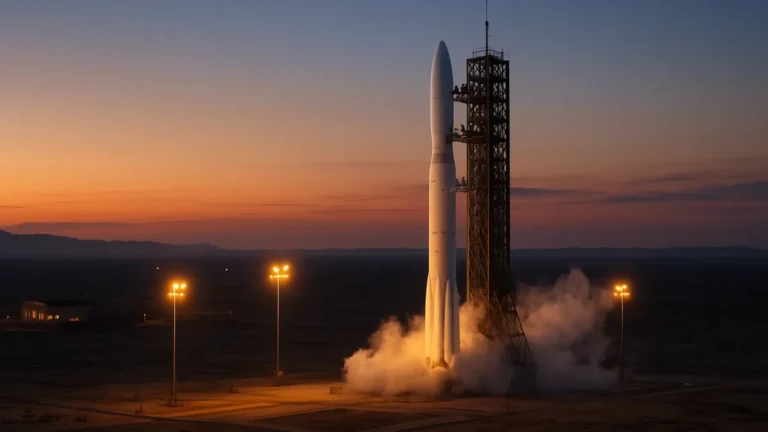
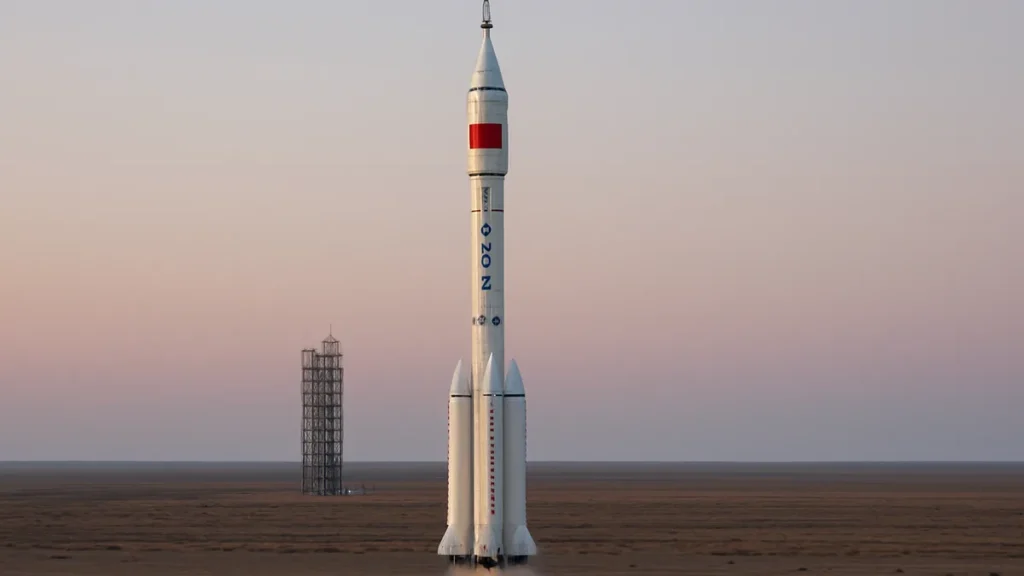
Pakistani astronaut Muhammad Zeeshan Ali began a historic journey into space on Wednesday morning, when China’s Shenzhou-24 spacecraft lifted off from the Jiuquan Satellite Launch Centre in the Gobi Desert in northwestern China. The launch marks a new chapter in Pakistan’s space ambitions. Ali, a 40-year-old pilot, is travelling with two Chinese astronauts.
The spacecraft left the ground aboard a Long March-2F rocket at 8:18am Beijing time, which is 5:18am Pakistan Standard Time. If the mission goes to plan, Ali will become the first Pakistani to reach Earth’s orbit and the first foreign astronaut to board China’s Tiangong space station. Chinese mission commander Tang Hongbo and flight engineer Wu Yi are flying with him.
Smooth ascent and expected docking time
The Chinese Space Station confirmed the successful launch in a post on X, saying the three astronauts were on their way to Tiangong. The post described the mission as a first, noting that an international astronaut was joining a Chinese crew on a trip to the Chinese Space Station. It was accompanied by Pakistani and Chinese flags.
Also read: Pakistani astronaut moves closer to China's Shenzhou-24 flight · Pakistan's first astronaut set for spaceflight from China
Live coverage showed the mission progressing smoothly after lift-off, with all three astronauts appearing calm inside the capsule. The crew later removed their face masks, which indicated that pressure and air quality inside the spacecraft were relatively stable, according to reports at 5:43am Pakistan time. Chinese authorities estimated that the spacecraft would take about three and a half hours to reach and dock with Tiangong, putting its arrival at around 8:48am Pakistan time.
The three astronauts of the Shenzhou-23 mission, who have been in orbit since May this year, watched the launch via a livestream aboard the station while they waited for their colleagues to arrive, according to footage from Chinese state media. Chinese state news agency Xinhua had earlier said the spacecraft, carrier rocket and launch site systems were in good condition after the final joint rehearsal.
“I carry the name of Pakistan on my shoulder”
Speaking to reporters on Tuesday, a day before the launch, Ali reflected on what it meant to represent his country in space. “I’m not flying for myself. I carry the name of Pakistan on my shoulder,” Ali said.
He also spoke of carrying the hopes of millions of Pakistanis on his first spaceflight. He encouraged children watching the mission to look up at the skies and pursue their dreams. Speaking in Mandarin at the same press conference, Ali recited a line of Chinese poetry and compared its meaning to his experience of astronaut training. “It’s like my daily training. Day after day, reaching new heights,” he said, according to the Associated Press.
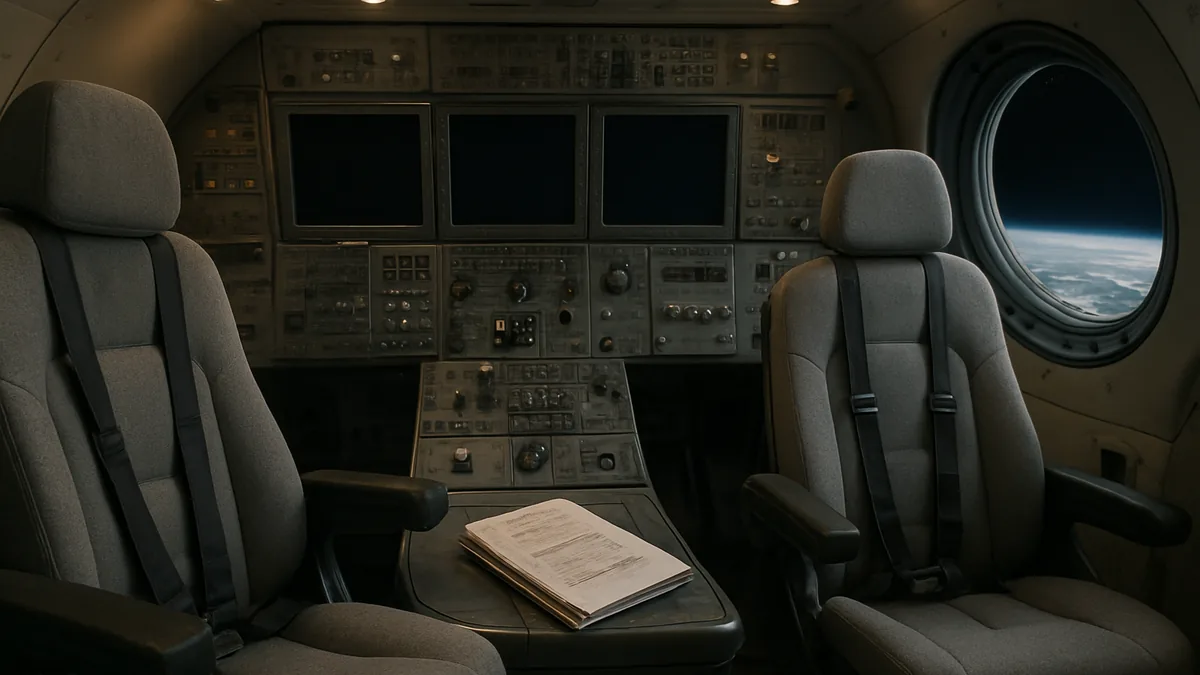
Hundreds of people gathered near the launch site to see off the three astronauts, with Pakistani and Chinese flags visible in the crowd. Footage broadcast by Chinese state media showed the sky shifting from indigo and navy to soft pink in the minutes before lift-off, as the sun rose over the Gobi Desert. Inside the spacecraft, the astronauts were seen repeatedly reviewing their manuals during their final preparations.
Training and plans for Ali’s time in orbit
Ali trained for seven months in Beijing. Alongside the physical and technical demands of human spaceflight, he took intensive Chinese-language classes and learnt Chinese songs. His preparation also included:
- Reading Chinese poetry
- Practising calligraphy
- Playing table tennis
Ali will serve as a payload specialist and is expected to spend between five and 10 days aboard Tiangong, where he will carry out scientific experiments, according to news agency reports. The Pakistani astronaut will take part in four joint scientific research projects in biotechnology and materials science. One of these involves photosynthetic microorganisms in space. He will also join routine onboard operations during his stay.
The China Manned Space Agency (CMSA) said Ali would return to Earth aboard the Shenzhou-23 spacecraft, which has been docked at Tiangong since May.
Pakistan-China space cooperation takes a new step
Ali’s flight follows an agreement signed in February 2025 between Pakistan’s Space and Upper Atmosphere Research Commission (Suparco) and the CMSA. The deal covered the selection and training of Pakistani astronauts. Ali and fellow Pakistani astronaut Khurram Daud were selected in April this year to train in China, and Ali was later chosen for the spaceflight.
Prime Minister Shehbaz Sharif met the two astronauts in April, congratulating them on their selection. He said he hoped the mission would further strengthen bilateral relations. Ali himself expressed hope that Pakistan-China cooperation in space would grow beyond this single mission, eventually leading to more joint flights and missions to the Moon and Mars.
The mission is also a milestone for China’s space programme. Beijing has opened its crewed spaceflight programme to international astronauts as part of wider ambitions that include landing astronauts on the Moon by 2030. According to news agency reports, China is promoting Tiangong as a hub for international scientific cooperation, at a time when the NASA-led International Space Station faces possible retirement by 2030. For Pakistan, the flight represents its first participation in human orbital spaceflight, opening opportunities for research in orbit, astronaut training and wider international space cooperation.