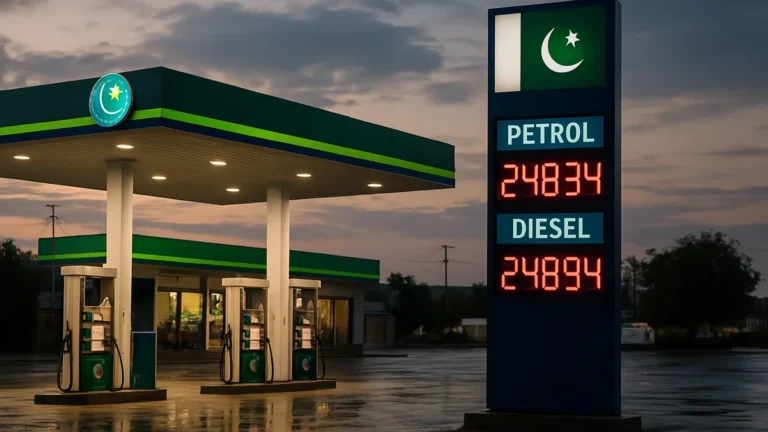
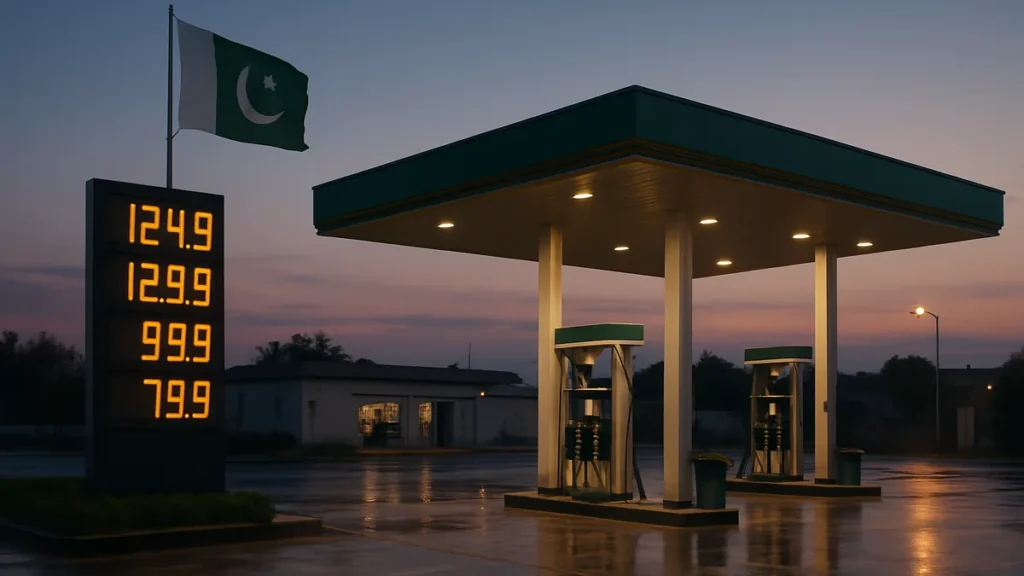
Petrol and diesel rates are falling from November 27, according to a notification issued by the Oil and Gas Regulatory Authority (OGRA) in Islamabad. Petrol has been lowered by Rs1 per litre to Rs313, while diesel has dropped by Rs2 per litre to Rs346.
Earlier, petroleum dealers had pressed for a closer look at refinery earnings. Their demand was voiced at an emergency meeting in Karachi, where participants discussed refinery profits, fuel pricing and possible relief for consumers.
| Product | Previous | New | Change |
|---|---|---|---|
| Petrol (per litre) | Rs 319.0024 Nov 2026 | Rs 318.00from 25 Nov 2026 | ▼ Rs 1.00 (−0.31%) |
| High-Speed Diesel (per litre) | Rs 357.0024 Nov 2026 | Rs 353.00from 25 Nov 2026 | ▼ Rs 4.00 (−1.12%) |
Source: OGRA notified prices. Data: OilPrices.pk, CC BY 4.0. Prices are maximum ex-depot rates; retail pumps may differ slightly.
Dealers seek forensic audit of refinery profits
Petroleum dealers, including Malik Khuda Bakhsh and Anwar Kamal, called for a transparent forensic audit of all refineries’ financial affairs. They argued that such a review could reveal room to cut petrol prices by Rs50 per litre.
Also read: Petrol and diesel prices cut again in Pakistan from Nov 25
Bakhsh said refineries had booked a full year’s profits within just three months, and that an audit would bring those figures to light. Kamal said consumers could receive relief of Rs40 to Rs50 per litre on petrol if the matter were properly examined.
Dealers say minister’s remarks back their concerns
The dealers said the petroleum minister’s statement had confirmed their reservations. They alleged that refineries had earned excessive profits and urged that consumers be given the relief they are due.
The dealers also called for a comprehensive audit of refinery financial records to determine past earnings and prevent further financial burdens on consumers in the future.