ISLAMABAD: The Federal Constitutional Court (FCC) has ruled that the infrastructure development cess imposed by provincial governments on imported and exported goods is unconstitutional. The court said such a levy falls outside the powers of provincial legislatures.
The cess is a special charge on goods entering, leaving or passing through a province. Provincial governments said it was meant to fund the building, development and upkeep of roads and other infrastructure. Sindh introduced the levy in 1994, Punjab in 2015 and Khyber Pakhtunkhwa (KP) in 2022, with legal frameworks and rates varying between provinces.
Importers and exporters challenged the levy in court
The case was brought by importers, exporters, manufacturers and other business entities. They argued that the charge was in effect a customs or export duty, a matter that falls under the federal government’s exclusive legislative authority.
The petitioners said provinces could not levy charges on international trade in the name of infrastructure, especially when the amount was calculated on the value of goods and collected through customs clearance. Chashma Ghee Mills, Nestle Pakistan, Hameed Traders and Ablan Ali & Company were among the businesses involved. Senior lawyers Makhdoom Ali Khan, Raashid Anwer and Khalid Jawed Khan represented the petitioners.
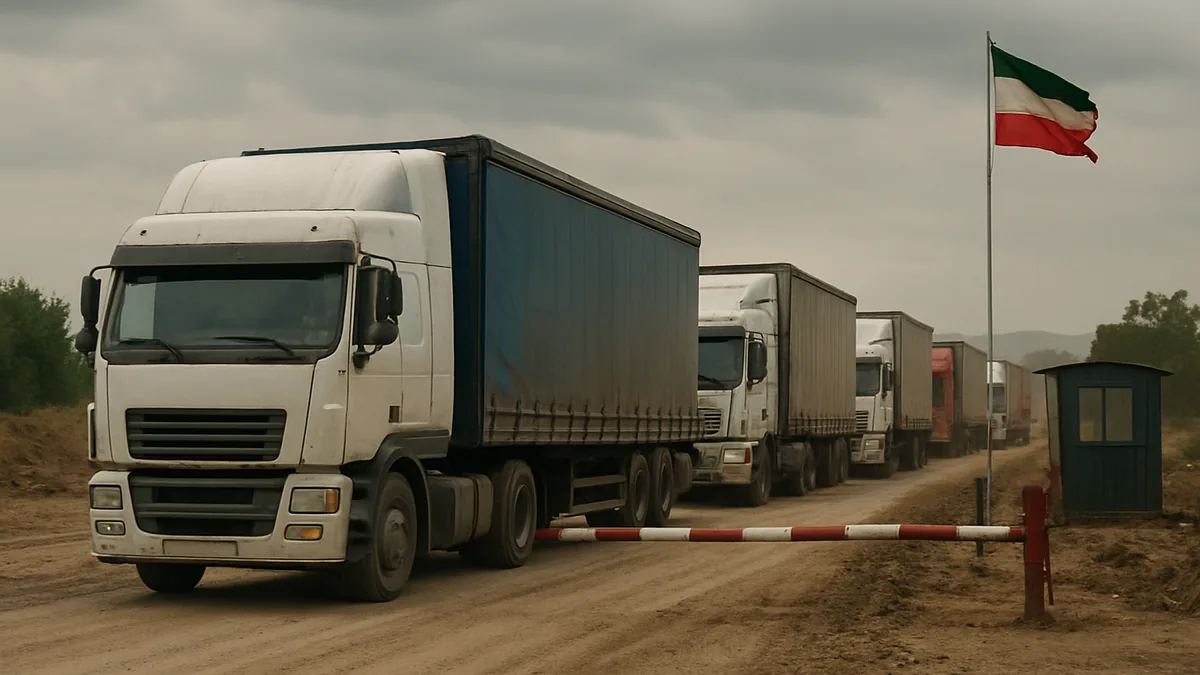
Provinces defended the cess as road funding
The provincial governments argued that the cess was needed to finance roads and infrastructure used to transport commercial goods. Sindh’s levy was later regulated under the Sindh Development and Maintenance of Infrastructure Cess Act, 2017. Punjab’s Infrastructure Development Cess Act, introduced in 2015, set a rate of 0.9 per cent.
KP passed its own law in 2022, and its rate was later raised to two per cent under the Finance Act, 2024. The levy also faced prolonged litigation. In November 2025, the Peshawar High Court upheld the legality of KP’s cess and dismissed 157 petitions challenging it.
Business groups said the levy hurt export competitiveness
The business community had repeatedly said the cess raised the cost of imported raw materials, machinery and finished goods. Manufacturers said this added to production expenses and made Pakistani products less competitive abroad.
In September 2024, Commerce Minister Jam Kamal Khan urged provincial governments to withdraw the cess, warning that it was raising the cost of exporting Pakistani goods. The National Export Development Board made a similar call in October 2024, saying the levy was weakening the competitiveness of Pakistani exports.
The ruling is expected to bring relief to importers, exporters and manufacturers by removing an extra cost linked to moving goods. However, its impact on amounts already collected, pending liabilities and existing settlement arrangements will depend on the court’s operative directions.