Saudi Arabia has raised its crude oil output to the highest level since before the Iran war disrupted supplies in February, according to a report from the Organization of the Petroleum Exporting Countries (OPEC) issued on Wednesday. The report said the world’s largest oil exporter pumped 10.563 million barrels per day (bpd) in October, up by more than two million bpd from September.
The figure is still below the 10.882 million bpd that Saudi Arabia produced when the United States and Israel launched the war on Iran in late February. The conflict has triggered a wider global energy and shipping crisis, and Riyadh had sharply increased its production in February, just before the strikes.
OPEC+ output climbs as Russia and Saudi Arabia pump more
Higher production from Saudi Arabia and Russia helped lift output across OPEC+, the group that includes OPEC and other countries such as Russia. According to the group’s monthly report, OPEC+ pumped 41.23 million bpd in October, about 2.04 million bpd more than in September.
Also read: Oil rebounds as Hormuz shipping attacks blunt Iran truce hopes · Saudi air defences intercept Houthi missiles aimed at Riyadh
Russia’s output rose after US President Donald Trump lifted sanctions on Russian energy and announced an “energy ceasefire” between Ukraine and Russia in mid-October. Comparing the figures, October’s OPEC+ output equalled roughly 97 percent of the 42.72 million bpd the group produced in February.
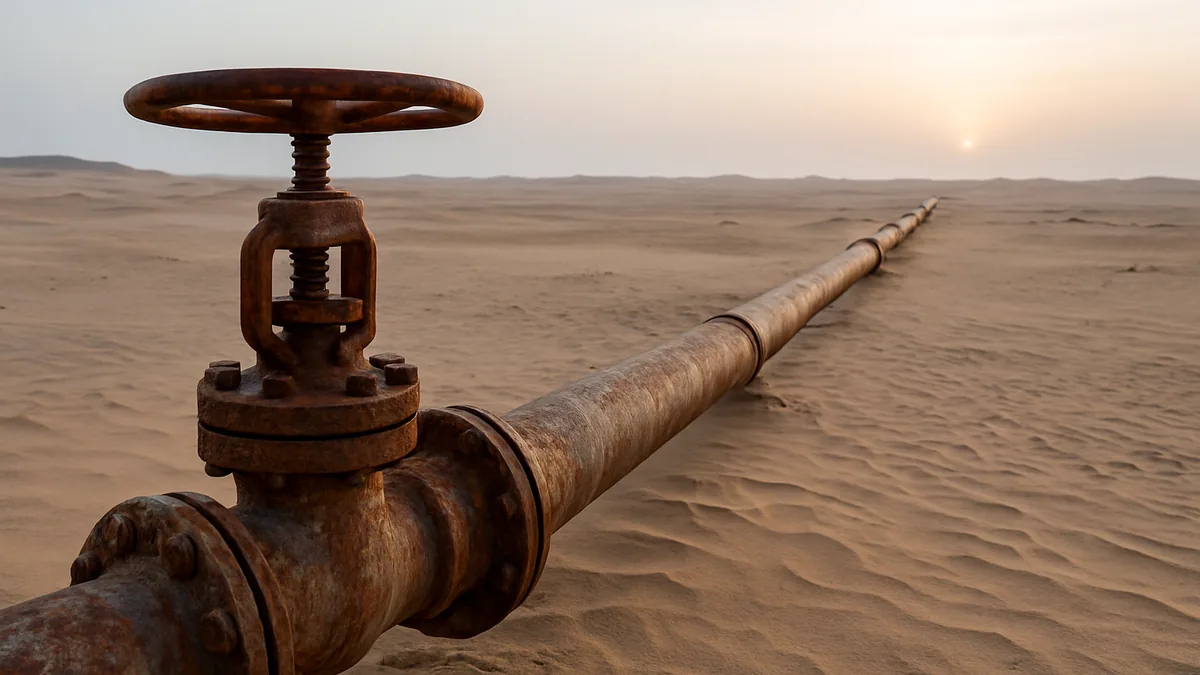
Gulf exports recover despite Hormuz and pipeline risks
The report, which relies partly on secondary sources, suggested that Gulf producers are recovering exports by using workarounds such as ship-to-ship transfers. These methods help them avoid disruptions linked to the conflict, including those affecting the Strait of Hormuz.
OPEC said the United Arab Emirates regained its place as the top supplier in September. Its share of supply was listed as follows:
- UAE: 49 percent, up from 25 percent the previous month
- United States: 28 percent, in second place
- Saudi Arabia: 14 percent, in third place
The report said Saudi exports had stabilised, even though the East-West Pipeline, a secondary supply route, has come under attack from Houthi rebels in neighbouring Yemen. The Houthis, who are fighting the Saudi-backed, internationally recognised government in Aden, continued to target the pipeline this week.
Umud Shokri, an energy strategist and senior visiting fellow at George Mason University, said one reason Saudi Arabia has been able to recover some exports is the East-West Pipeline. It carries crude across the country to the Red Sea port of Yanbu without passing through the Strait of Hormuz. He said the UAE has a similar advantage through its pipeline to Fujairah, which lies outside the strait, even though it is no longer an OPEC member.
The report also noted a fall in crude imports by Japan, where imports “fell sharply in September amid renewed disruptions to trade flows”. Shokri warned that Gulf countries are learning how costly dependence on a single maritime chokepoint can be. “Hormuz remains too important to the global energy market to be easily bypassed,” he said.
Inflation concerns and OPEC’s demand outlook for 2027
Shokri said the rise in Saudi output “could help ease some of the inflationary pressure facing American consumers”. He cautioned, however, that “higher Saudi production does not automatically mean lower prices at American gas stations.”
US petrol prices fell below $4 a gallon for the first time in months this week. Concerns over the high cost of living had helped the Democratic Party win sweeping victories in US midterm elections last week. Annual personal consumption expenditures (PCE) inflation reached a three-year high of 4.1 percent in May, when energy prices soared as the conflict cut off roughly one-fifth of global oil supplies moving through the Strait of Hormuz.
OPEC left its forecasts for global oil demand growth unchanged, after cutting them for six straight months, and made no changes to its 2027 outlook. The group expects demand to rise by 2.55 million bpd next year, to an average of 108.3 million bpd, and forecasts growth of 180,000 bpd in 2026. It also said Qatar, Canada, Brazil and Argentina will drive growth in energy-related liquids production in 2027.
The report took an optimistic view of the Middle East’s economy in the near term. “In 2027, the region’s economy is expected to rebound and economic activity to recover, supported by a resilient non-oil sector and robust domestic demand,” it said.