Pakistan’s new Auto Policy 2026 is unlikely to bring a significant reduction in vehicle prices, although proposed tax concessions on electric, hybrid and selected small cars may offer consumers some relief, an auto industry expert has said.
Speaking on a television programme, Masood Khan discussed the policy’s likely impact on prices, taxation, local manufacturing and the future of the automobile industry. He said the policy offers greater incentives to electric vehicles than to ordinary buyers, and that proposed tax changes could lower prices for some vehicle categories while raising them for others.
Tax changes for electric, hybrid and small cars
Khan said the existing one per cent sales tax on electric vehicles is expected to remain unchanged. The sales tax on range-extender electric vehicles, however, is proposed to rise from one per cent to six per cent.
Also read: Pakistan targets $6 billion in auto exports under new policy
By contrast, the sales tax on plug-in and conventional hybrid vehicles is proposed to fall from 18 per cent to nine per cent, which he said could give consumers comparatively greater financial relief. Certain small vehicles may also benefit from reductions in federal excise duty and capital value tax. Khan estimated these concessions could create a price difference of Rs250,000 to Rs300,000 for vehicles priced between Rs5 million and Rs6 million.
The government is also considering a new levy on conventional petrol-powered vehicles to offset potential revenue losses from the tax concessions.
Low car ownership and reliance on public transport
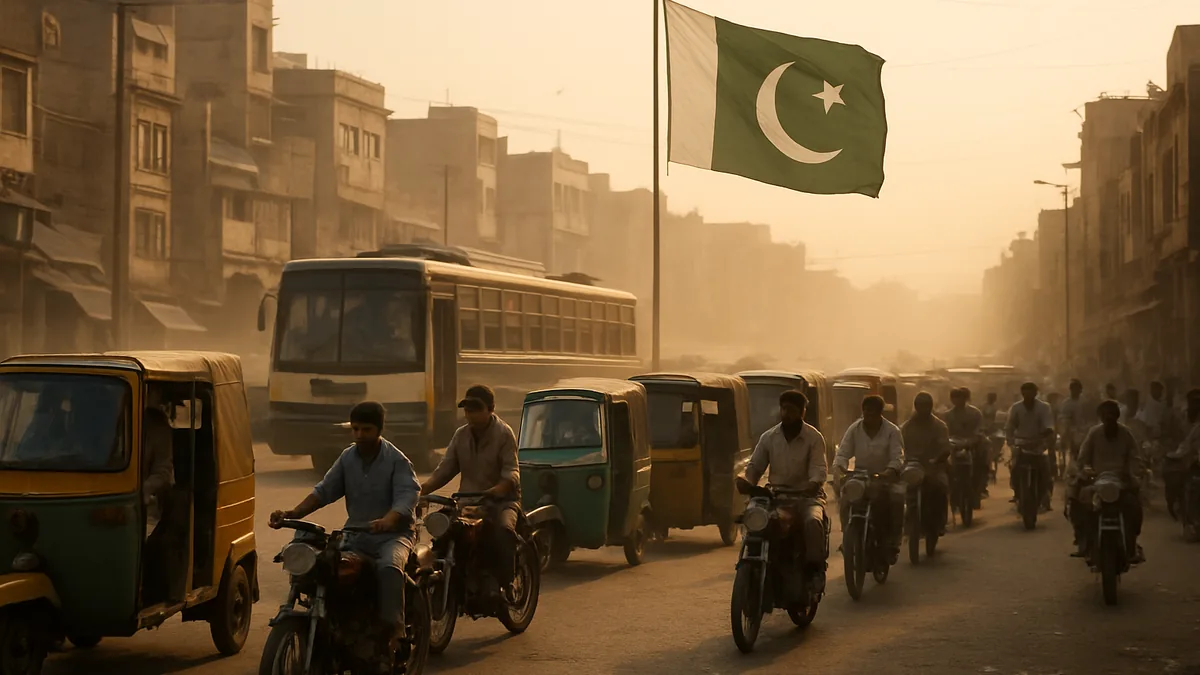
Khan questioned the priorities of the new policy, pointing to limited private vehicle ownership in Pakistan. He said only 6.6 per cent of households own a car, while about 57 per cent rely on motorcycles and around 41 per cent own neither.
He also said roughly 51 per cent of the population depends on public transport. In his view, the government should improve public transport facilities before focusing heavily on electric vehicles.
On the promotion of electric motorcycles and rickshaws, Khan said subsidising imported electric vehicles would not amount to a sustainable industrial policy. He stressed the need for local manufacturing, technology transfer and job creation.
Concerns over used imports and local parts makers
Khan expressed concern about proposals to facilitate the import of used vehicles, warning that such measures could harm local car manufacturing and the auto parts industry. He explained that more imports of completely built vehicles and components could reduce demand for locally made parts, placing domestic manufacturers under financial pressure.
If local assemblers increasingly prefer imported components, he said, domestic parts makers could face serious challenges that threaten the sustainability of their businesses.
Khan also stressed the importance of consistent government policy. He recalled that consumers who invested in CNG conversion kits after government incentives later struggled when CNG availability declined, and warned that a similar situation could arise if electric vehicles are discouraged later due to electricity shortages.