



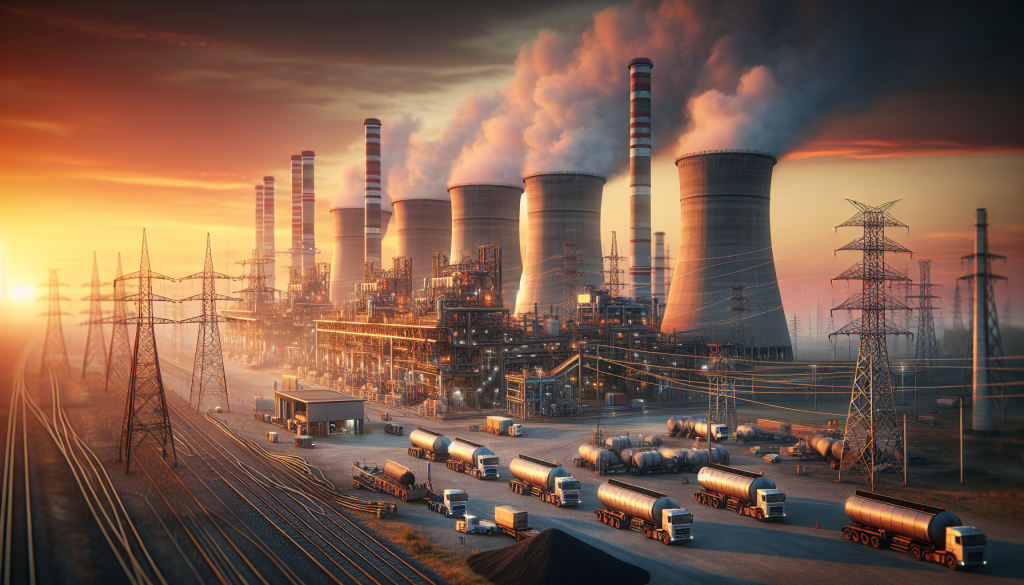
The government is devising a comprehensive strategy to address the anticipated electricity shortfall this summer by implementing scheduled power outages, enforcing stricter energy conservation measures, and raising electricity tariffs. This plan emerges as the country grapples with escalating challenges linked to the ongoing Middle East crisis, which is disrupting fuel supplies.
In a significant development, the Power Division is evaluating multiple scenarios to handle the surge in electricity demand during the summer months. Supplies of critical fuels such as liquefied natural gas (LNG) and coal are projected to decline sharply. LNG, which accounts for over 20% of the nation’s electricity generation, is expected to become nearly unavailable starting next month, irrespective of any improvements in the geopolitical landscape. Concurrently, both imported and domestic coal supplies are forecasted to remain constrained, intensifying pressure on the power sector.
To bridge this gap, the government may increase reliance on furnace oil, a more expensive fuel typically reserved for peak demand periods. Although current furnace oil reserves can sustain operations for several weeks, its price has surged considerably due to global supply chain disruptions and refinery issues. Electricity produced from furnace oil is significantly costlier than that generated from other fuels, which is likely to drive up overall power generation expenses.
Estimates indicate that fuel costs could escalate sharply, potentially adding between Rs 10 and Rs 12 per unit to electricity prices. This rise is mainly attributed to the reduced operation of efficient LNG-based power plants, which collectively generate around 5,000 megawatts. However, passing the entire cost increase onto consumers, particularly industrial users, may prove challenging.
Meanwhile, electricity generation from high-speed diesel is deemed prohibitively expensive and will probably be avoided, especially given its critical role in transportation and agriculture during the harvest season.
Electricity demand typically peaks at 27,000 to 28,000 megawatts during summer, compared to current lower levels partly due to increased solar energy usage. To manage peak loads, furnace oil-based plants may be utilized because of their ability to rapidly ramp up output when required.
Given these constraints, authorities are preparing for an average of two to three hours of daily load-shedding, with the exact duration contingent on fuel availability. Simultaneously, consumers are likely to face higher electricity bills through existing tariff structures, while energy conservation efforts will be more rigorously enforced.
Gas supply limitations also pose a significant challenge. Starting in April, a substantial portion of gas currently allocated to power plants will be withdrawn. To compensate, supplies to sectors such as compressed natural gas (CNG) and fertilizer production may be curtailed or redirected to electricity generation.
Internal complications are further exacerbating the situation. Disputes between Pakistan Railways and several coal-fired power plants are disrupting coal transportation, jeopardizing up to 1,800 megawatts of generation capacity. Delays in coal loading and shortages of railway wagons have rendered fuel supply unreliable for key plants.
These coal-fired plants are vital for grid stability, especially those near major demand centers. Although they currently contribute a significant share of the country’s electricity, their limited coal reserves—sufficient for only a few days—could result in prolonged outages if resupply is delayed.
The coal transport issues have also impacted railway revenues, as coal freight constitutes a major portion of its income. While one plant has been permitted to switch to road transport for coal, others are still negotiating alternatives, which may increase operational costs.
The matter has been escalated to senior government officials, who are expected to intervene and resolve the transport and coordination challenges promptly.

Leave an opinion