


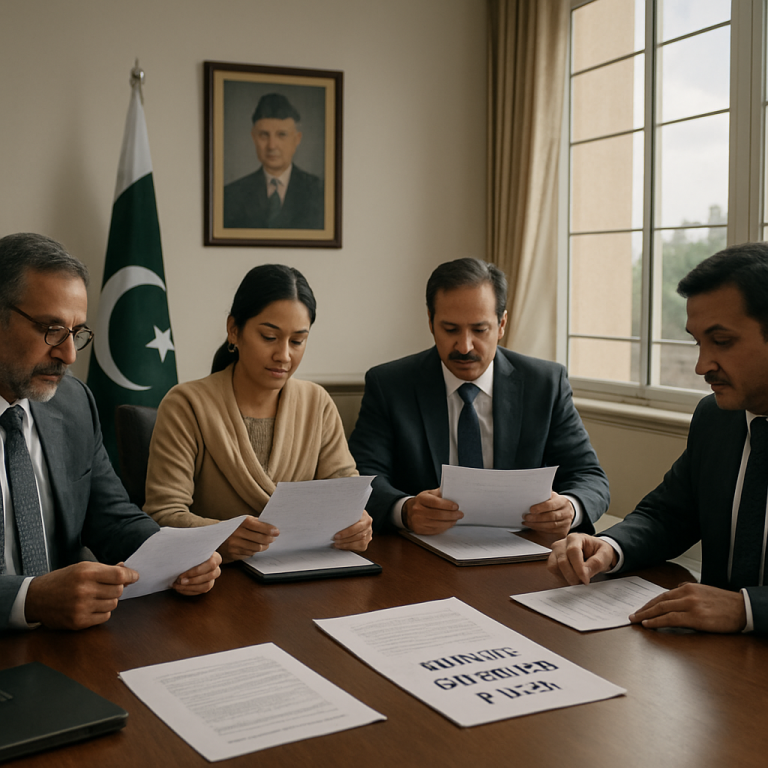
During the 63rd session of the United Nations Human Rights Council, Pakistan issued a strong warning against the politicization of water resources, specifically condemning India’s actions related to the Indus Waters Treaty as a form of “weaponisation of water.” Pakistan’s First Secretary Adeel Mumtaz Khokhar emphasized that water should never be exploited as a tool for coercion, political leverage, or conflict.
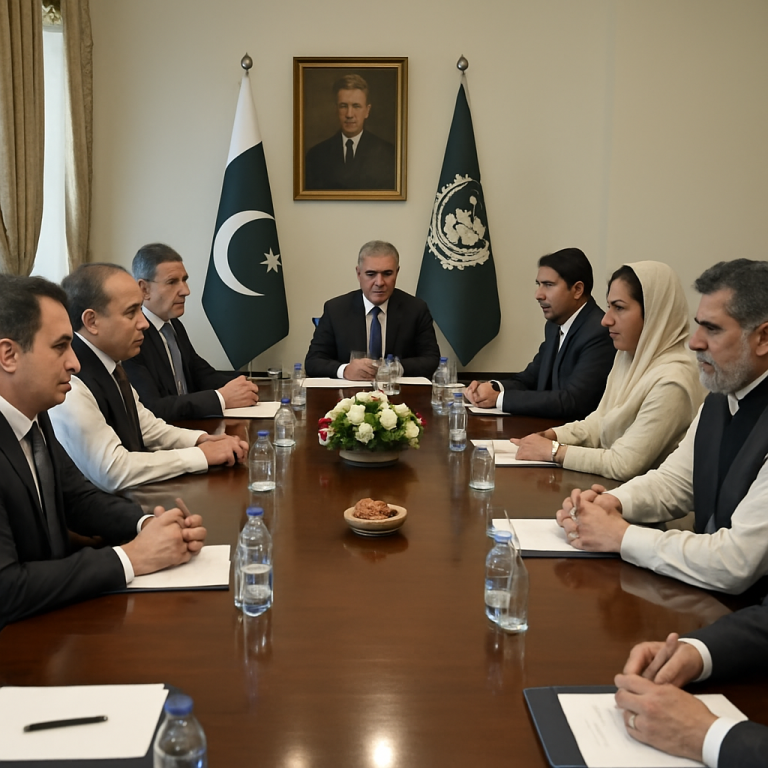
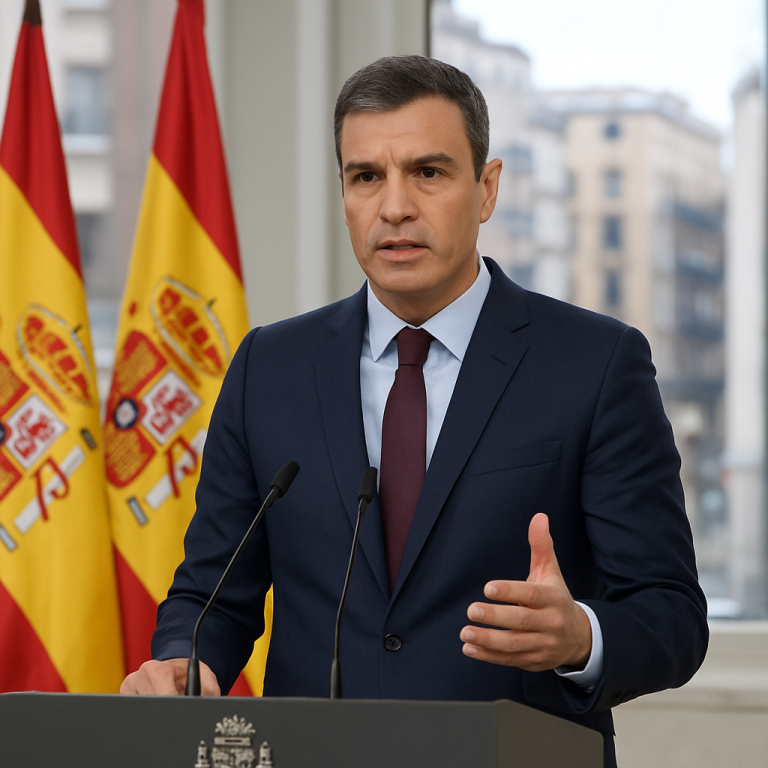
The remarks came as the Council considered a resolution on the human right to safe drinking water and sanitation, which was presented by Germany and Spain and adopted without a vote. Pakistan played an active role in ensuring the resolution retained an explicit reference to transboundary water cooperation, despite India’s efforts to remove it. India argued that such cooperation fell outside the scope of a human rights resolution, but Pakistan countered that collaboration over shared water resources is directly linked to the human rights to safe drinking water and sanitation.
Khokhar outlined Pakistan’s stance on shared water resources and the Indus River system, stating, “Where water is shared, responsibilities are also shared.” He stressed that cooperation between neighboring countries over shared waters is a shared responsibility rather than a favor or concession. He further asserted that no upstream country should use water as a means of political pressure or influence.
Highlighting the importance of managing water resources through principles of cooperation and mutual responsibility, Khokhar condemned India’s unilateral actions under the Indus Waters Treaty as an unacceptable weaponization of water. He reiterated that water must never be turned into an instrument of coercion, political leverage, or war.
Pakistan also expressed gratitude to the member states for maintaining the reference to transboundary water cooperation in the final resolution text. The official UN record identifies the resolution as draft A/HRC/63/L.34, titled “The human rights to safe drinking water and sanitation,” with Germany and Spain as the submitting countries and Khokhar among the speakers during its consideration.
Two proposed amendments to the resolution, labeled L.39 and L.40, were rejected before the main text was adopted without a vote. Both amendments received 10 votes in favor, 17 against, and nine abstentions. The Human Rights Council session took place from September 7 to October 7, 2026.





Leave an opinion