


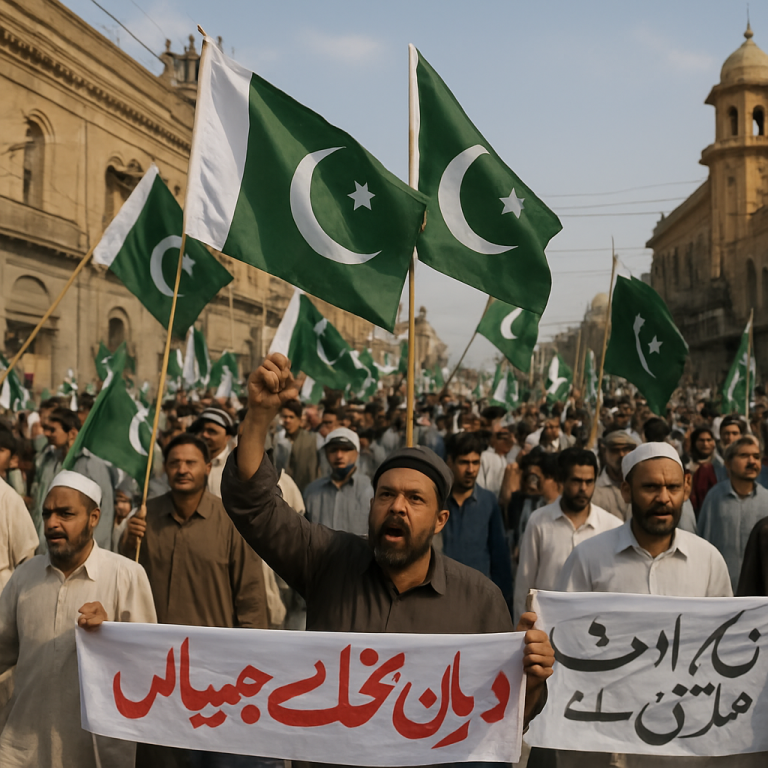
India is witnessing its third consecutive day of large-scale protests as citizens demand the resignation of the country’s election commission chief. Demonstrators allege that recent revisions to the voter rolls have unjustly excluded millions of eligible voters. This move is perceived as an attempt to skew the electoral process in favor of Prime Minister Narendra Modi and his party. The protests have drawn significant attention both domestically and internationally, highlighting concerns about the integrity of India’s democratic institutions.
In a significant development, the election commission’s voter-roll revision process has come under intense scrutiny for allegedly disenfranchising a substantial portion of the electorate. Critics argue that such actions undermine the fundamental democratic principle of fair and free elections. Meanwhile, supporters of the government maintain that the revisions are necessary to remove duplicate and fraudulent entries. However, the scale of the alleged removals has sparked fears of political manipulation ahead of upcoming elections.
The ongoing unrest reflects broader tensions within India’s political landscape, where electoral transparency and voter rights remain contentious issues. The protests underscore the vital role of impartial election oversight in maintaining public trust. As the situation evolves, the demand for accountability from the election commission highlights the challenges faced by democracies in balancing administrative efficiency with inclusivity. The outcome of this crisis could have lasting implications for India’s democratic future and governance.






Leave an opinion