


In a pivotal moment of Brazil’s presidential race, incumbent President Luiz Inácio Lula da Silva energized supporters with his concluding campaign rally in Rio de Janeiro on Friday. This event marked the culmination of a vigorous election campaign characterized by intense political rivalry and widespread public engagement. Lula’s presence in the vibrant city underscored his commitment to securing voter support in a key urban center ahead of the decisive vote.
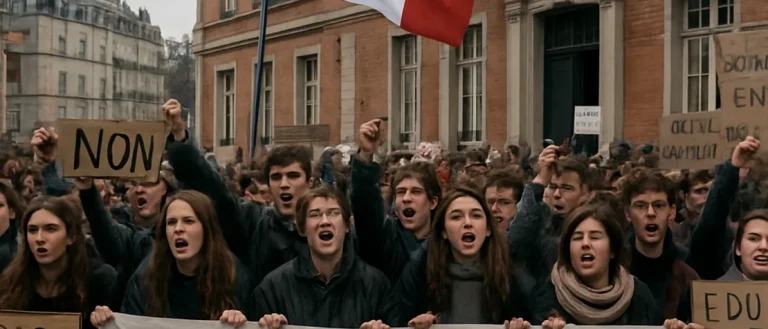
Meanwhile, former President Jair Bolsonaro also mobilized thousands of followers in his own final campaign efforts, reflecting the deeply polarized nature of Brazil’s electorate. Both candidates have dominated the political landscape, with their campaigns focusing on contrasting visions for Brazil’s future amid economic challenges and social issues. The large turnouts highlight the high stakes and passionate involvement of citizens in this critical electoral contest.
In a significant development, these final rallies not only demonstrate the candidates’ enduring influence but also set the stage for a closely watched election outcome. The results will have profound implications for Brazil’s domestic policies and international relations, as the nation seeks stability and progress. Observers anticipate that voter turnout and campaign momentum from these events could decisively shape the country’s political trajectory.