

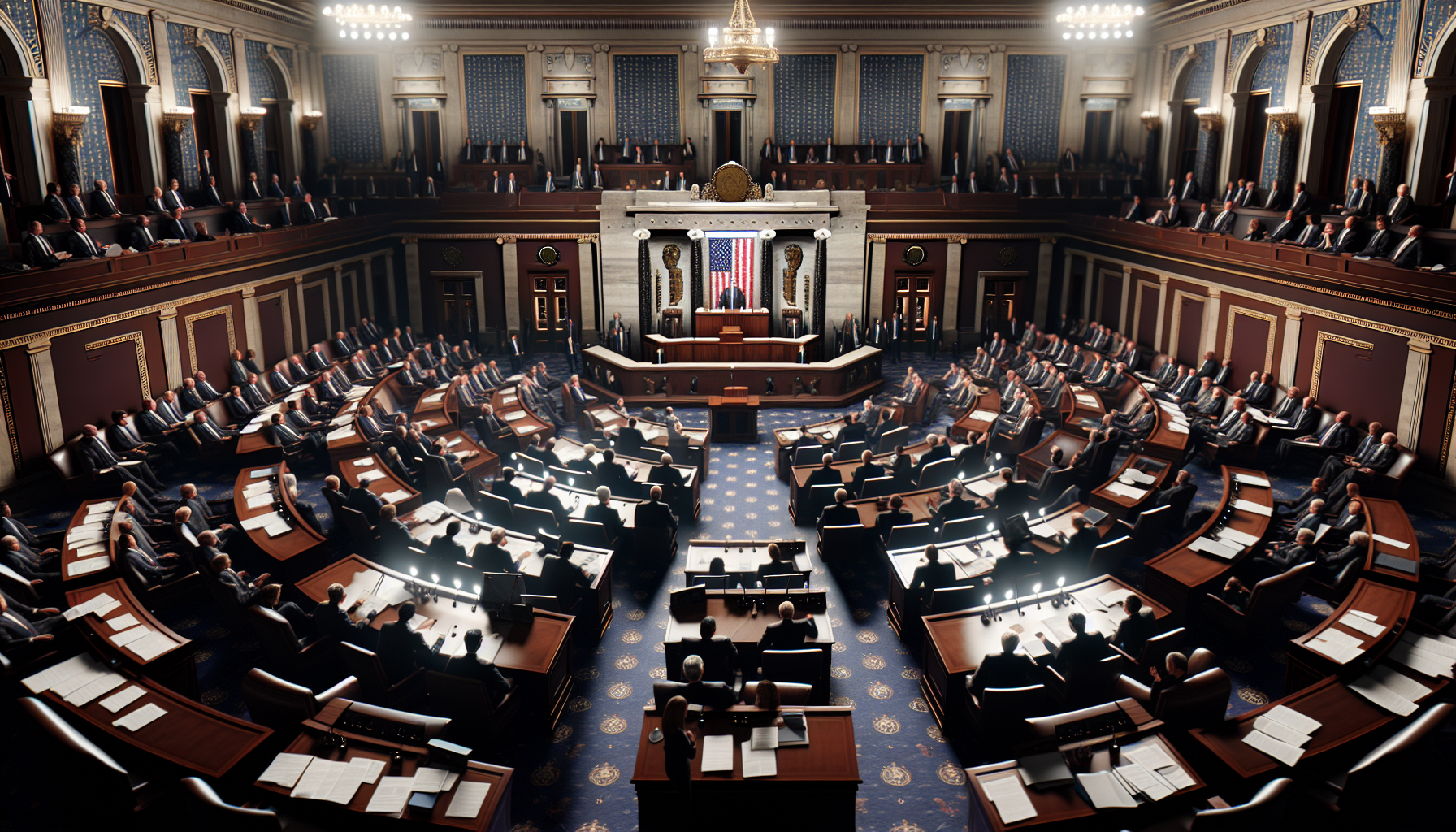
In a significant development on Capitol Hill, US lawmakers engaged in a heated debate regarding the true financial cost of the Iran war. The discussion highlighted growing concerns about the lack of transparency and clarity surrounding the expenditures related to the conflict. Estimates have varied dramatically, with figures ranging from $25 billion to as high as $1 trillion, underscoring the difficulty in accurately accounting for the war’s economic impact. This uncertainty has fueled frustration among legislators who demand more detailed and reliable reporting on military spending.
The debate reflects broader unease about the long-term consequences of US involvement in the Middle East, particularly in Iran. The financial burden of prolonged military engagements has significant implications for the national budget and priorities, especially as the country faces other pressing domestic and international challenges. Lawmakers are increasingly scrutinizing defense budgets and calling for greater oversight to ensure taxpayer money is spent effectively and transparently. Meanwhile, the public remains largely unaware of the full scale of costs associated with the conflict.
Notably, this confrontation on Capitol Hill could influence future policy decisions regarding US military operations in the region. Greater transparency and accountability may lead to more cautious approaches to foreign interventions and a reassessment of ongoing commitments. The debate also underscores the importance of clear communication between government agencies and Congress to avoid misinformation and build trust. As the discussion continues, the true cost of the Iran war remains a critical issue for policymakers and the American public alike.
