



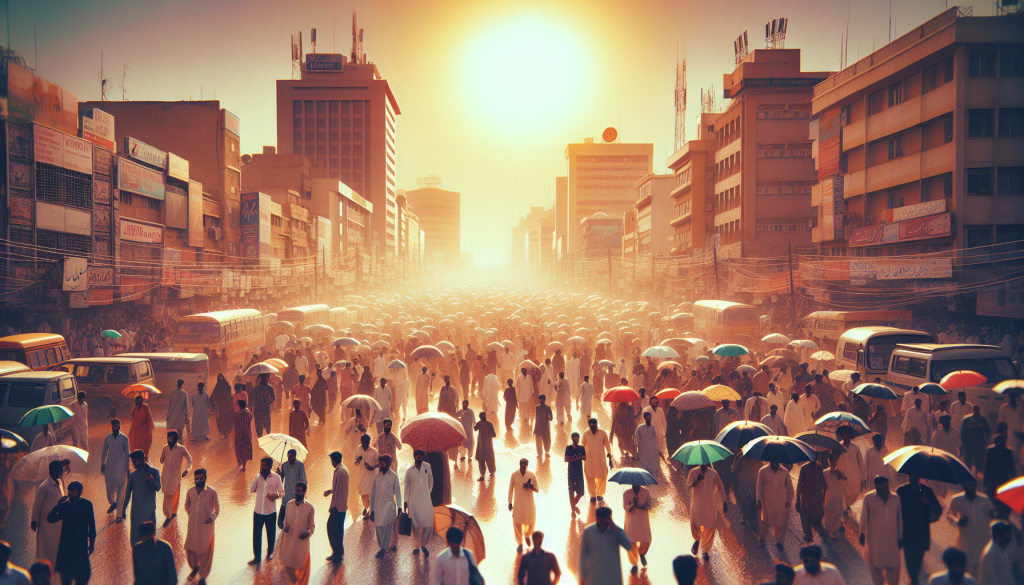
Karachi is currently experiencing an intense heatwave, with temperatures soaring to dangerous levels. Such extreme heat poses significant health risks, including dehydration, heat exhaustion, and heatstroke, especially for vulnerable groups like children and the elderly. Staying hydrated and avoiding direct sunlight during peak hours are crucial preventive measures. Residents are also advised to wear light, breathable clothing and use sunscreen to protect their skin from harmful UV rays.
In addition to personal precautions, it is important to create a cooler environment indoors. Using fans, air conditioning, or even damp cloths can help reduce body temperature. Public awareness campaigns have been launched to educate people on recognizing heat-related illnesses and the importance of seeking medical help promptly. Meanwhile, local authorities are urged to ensure adequate water supply and emergency services to support those affected by the heatwave.
The ongoing heatwave highlights the broader challenges posed by climate change, which is increasing the frequency and severity of such extreme weather events. Karachi, being a densely populated urban center, faces additional risks due to the urban heat island effect. Long-term strategies, including urban planning and green space development, are essential to mitigate heat impacts. Meanwhile, immediate community efforts and adherence to safety guidelines remain vital to protect public health during this critical period.

Leave an opinion