



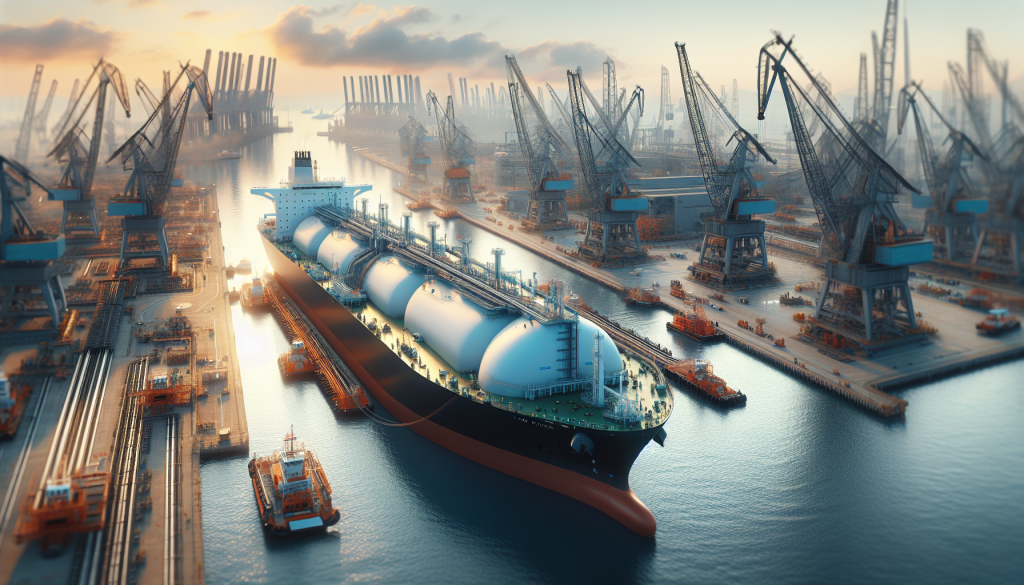
China has successfully delivered its first liquefied natural gas (LNG) carrier built entirely within the country, a significant step forward in its clean energy ambitions. This vessel is designed to transport LNG efficiently, supporting the nation’s efforts to reduce carbon emissions by expanding cleaner fuel usage. The domestically built carrier reflects China’s growing shipbuilding expertise and commitment to energy transition.
Notably, this development aligns with China’s broader strategy to enhance energy security and environmental sustainability by investing in advanced maritime infrastructure. LNG is considered a cleaner alternative to coal and oil, and the new carrier will facilitate increased imports and distribution of this fuel. The project also underscores China’s push to reduce reliance on foreign-built vessels, fostering self-reliance in critical industrial sectors.
In a significant development for the global energy market, China’s entry into LNG carrier construction may influence shipping dynamics and competition. The vessel’s deployment is expected to improve logistics for China’s expanding LNG demand, which is crucial for meeting its climate goals. This milestone highlights the intersection of industrial innovation and environmental policy in China’s evolving energy landscape.

Leave an opinion