
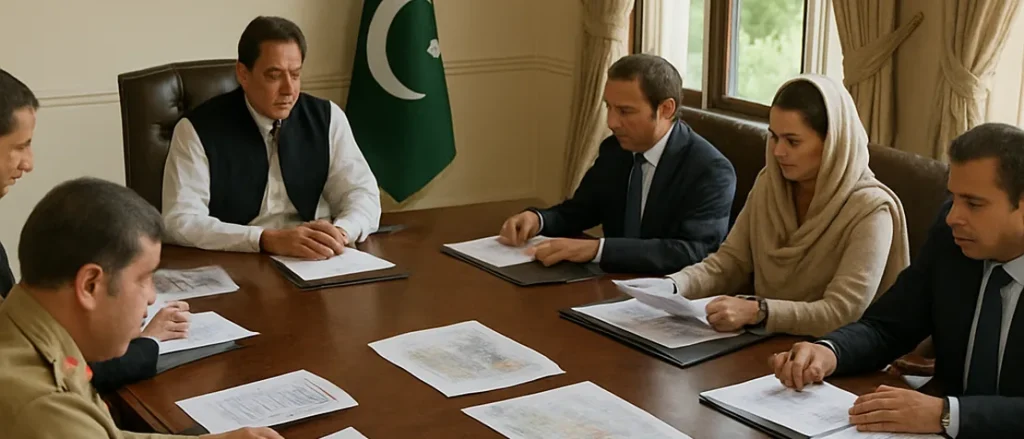

Prime Minister Shehbaz Sharif is set to lead a crucial meeting at the Prime Minister’s House to discuss constitutional options for Khyber Pakhtunkhwa (KP), including the possibility of imposing an emergency or governor’s rule. The meeting aims to review the province’s security situation and examine reports from security agencies amid escalating tensions with the Pakistan Tehreek-e-Insaf (PTI)-led provincial government.
Sources indicated that the federal government is considering various legal and administrative measures, but no final decision has been announced ahead of the gathering.
Emergency in 12 districts under consideration
Among the proposals under review is the imposition of an emergency in 12 districts of KP, including all the merged districts formerly part of the Federally Administered Tribal Areas. The suggested measures would empower the federal government to take additional steps to protect lives and property in the province.
However, the government has not publicly confirmed any plans to implement such measures.
Constitutional provisions and legal framework
The discussions focus on Articles 232 and 234 of the Constitution. Article 232 allows for the proclamation of an emergency in cases of war, external aggression, or internal disturbance threatening the security of Pakistan or part of it. Article 234 applies when a provincial government cannot be carried on according to the Constitution.
Each article entails different legal requirements and procedures, and any action would need to satisfy the relevant constitutional conditions.
Political tensions and ongoing long march
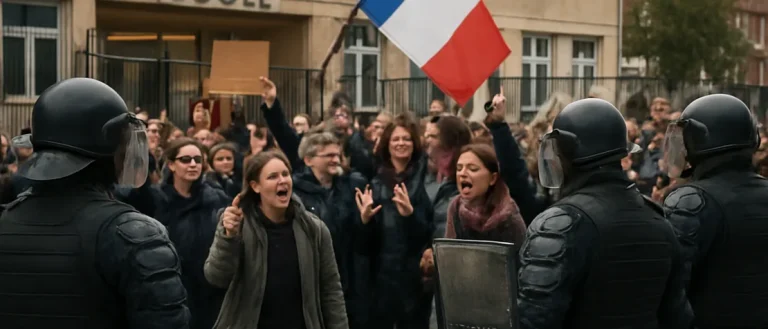
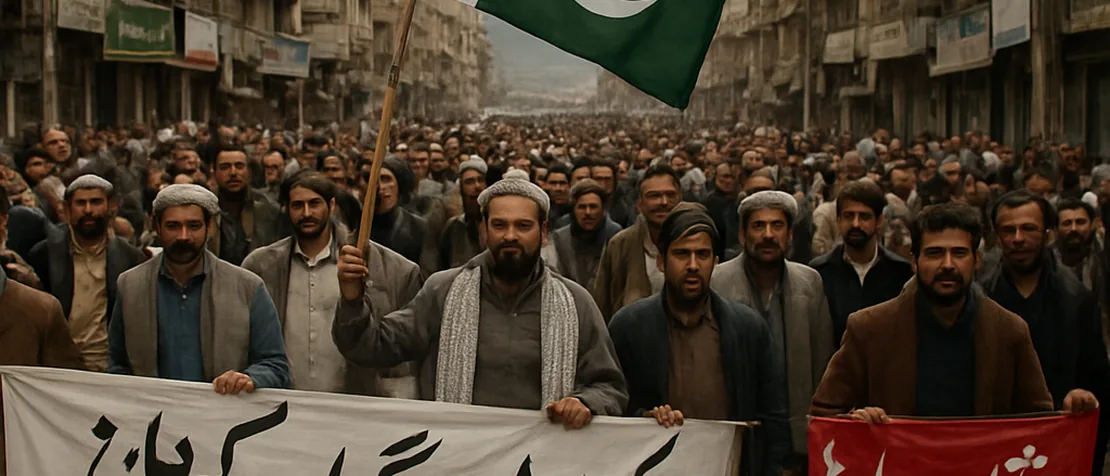
The consultations come amid the PTI’s long march on Islamabad, led by KP Chief Minister Sohail Afridi, which has intensified the standoff between the federal government and the provincial administration. The march began on October 4 after failed negotiations and entered its sixth day on Friday.
The PTI demands the release of its founder, Imran Khan, while the federal government has expressed concerns about security and the provincial administration’s cooperation on counterterrorism efforts.
On October 4, Interior Minister Mohsin Naqvi met with Governor Faisal Karim Kundi in Peshawar. A statement from the Governor House highlighted concerns about potential terrorist facilitation during the march and affirmed that the governor’s office would fulfill its constitutional role if emergency measures or governor’s rule were deemed necessary by the president and prime minister.
Governor Kundi later stated that such steps would be taken if considered essential to protect the province.
Political leaders’ positions on emergency and governor’s rule
PPP Chairman Bilawal Bhutto Zardari said the federal government was prepared to impose governor’s rule or an emergency but urged these measures be treated as a last resort, advocating for continued negotiations instead. Speaking at a sports complex inauguration in Karachi, he expressed that his party did not desire either step and criticized the PTI-led provincial government for prioritizing confrontation.
Bilawal warned that responsibility for any such decision would rest with Chief Minister Afridi if he obstructed dialogue.
Governor Kundi vowed to continue holding security meetings and challenged the marchers to cross Swabi, describing the protest as a “circus.” He stated that someone must take responsibility while the chief minister was engaged with the march, which Afridi had called unconstitutional.
It remains uncertain whether the meeting will result in the imposition of an emergency, governor’s rule, or further political negotiations.