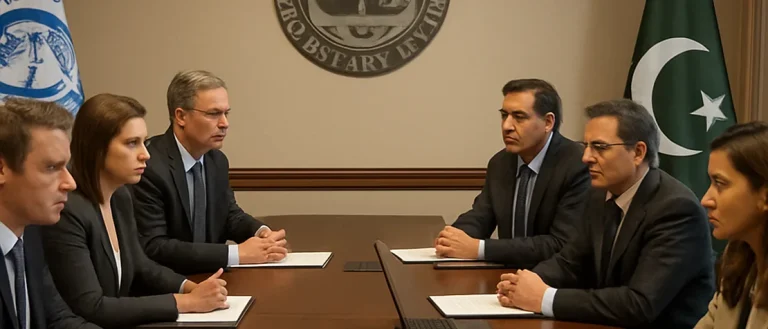



The Organization of American States (OAS) has decided to hold an emergency meeting in response to Nicaragua’s recent political developments. The Nicaraguan government has extended President Daniel Ortega’s tenure and implemented measures that effectively prevent opposition candidates from participating in upcoming elections. This move has sparked significant concern among member states, who view it as a threat to democratic principles in the region.
In a near-unanimous decision, the OAS condemned Nicaragua’s actions, emphasizing the importance of free and fair electoral processes for maintaining regional stability. The exclusion of political rivals undermines democratic competition and raises questions about the legitimacy of future elections in the country. The emergency meeting aims to address these issues and explore possible diplomatic or political responses to the crisis.
Notably, Nicaragua’s political trajectory under Ortega has drawn international scrutiny for years, with critics accusing his administration of authoritarianism and repression. The OAS’s intervention highlights growing regional unease about the erosion of democratic norms in Latin America. The outcome of the emergency session could influence Nicaragua’s political landscape and set precedents for how the international community responds to similar challenges in the hemisphere.