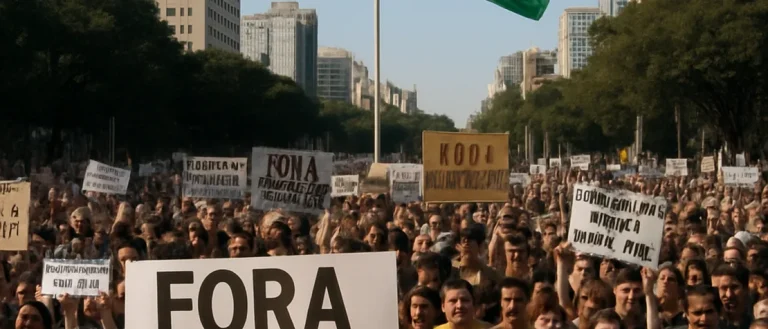



Mass protests initiated by students in Paris have rapidly escalated, spreading to multiple cities throughout France. These demonstrations reflect deep-seated dissatisfaction among young people regarding recent government decisions affecting education and social welfare. The initial gatherings in the capital served as a catalyst, inspiring solidarity actions in other regions. The movement underscores the students’ demand for more inclusive policies and better support systems.
In a significant development, the protests have drawn attention to broader societal concerns, including economic inequality and youth unemployment. The widespread nature of these demonstrations indicates a growing mobilization among France’s younger generation, who are increasingly vocal about their future prospects. Authorities are closely monitoring the situation as the unrest continues to challenge public order and policy direction. Meanwhile, the government faces mounting pressure to engage with student representatives and address their grievances.
Notably, the protests have sparked debates across political and social platforms, emphasizing the importance of youth participation in democratic processes. The events highlight the critical role of education reforms and social justice in shaping France’s future. As the demonstrations persist, their impact on national discourse and policy-making is expected to be significant. The unfolding scenario serves as a reminder of the power of collective action in influencing governmental priorities.