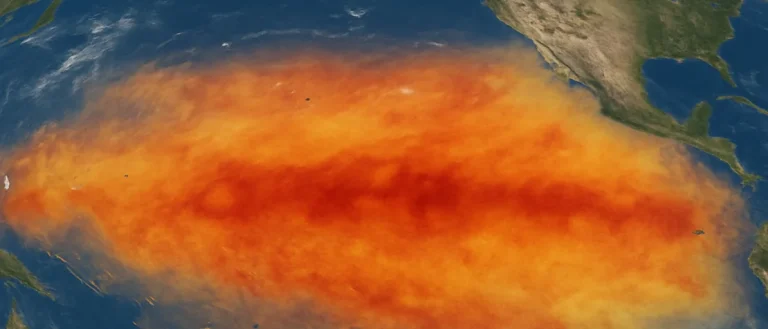



In a significant development, the Atlantic hurricane season has experienced an unprecedented lull with no hurricanes forming in September, a month historically known for peak tropical storm activity. This marks the first time in three decades that the Atlantic basin has remained hurricane-free during this critical period. Meteorologists attribute this anomaly largely to the influence of El Niño, a climate phenomenon characterized by warmer-than-average sea surface temperatures in the central and eastern Pacific Ocean.
El Niño events are known to alter atmospheric conditions globally, often suppressing hurricane formation in the Atlantic by increasing wind shear, which disrupts storm development. This natural climate cycle can have far-reaching effects on weather patterns, impacting rainfall, droughts, and storm frequency across multiple regions. The absence of hurricanes in September could signal a less active overall season, though experts caution that storms can still develop later in the year.
The rarity of a hurricane-free September underscores the importance of understanding how El Niño influences tropical cyclone activity and broader climate systems. This phenomenon not only affects the Atlantic hurricane season but also has implications for disaster preparedness and resource allocation in vulnerable coastal areas. Continued monitoring and research are essential to improve forecasting and mitigate the impacts of such climatic shifts on communities worldwide.