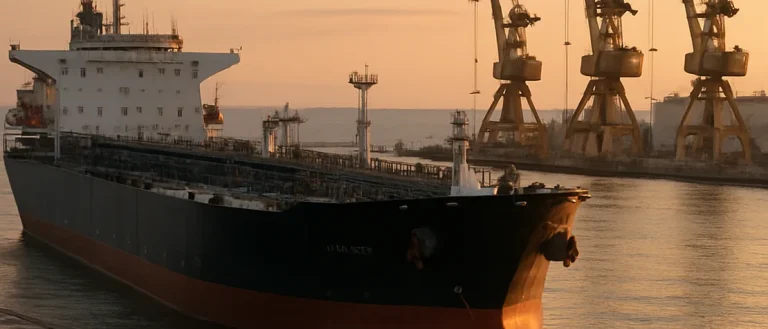


The Strait of Hormuz remains one of the world’s most strategically vital maritime chokepoints, linking major oil-producing regions to global markets. Recent data indicates that many ships navigating this narrow passage attempt to obscure their identities, reflecting heightened security concerns. This behavior underscores the tense geopolitical environment surrounding the strait, where threats of confrontation and surveillance are common.
In a significant development, the data reveals that vessels exhibit more caution toward Iranian forces than toward the United States. This trend highlights the complex power dynamics in the region, where Iran’s proximity and naval presence create a palpable sense of risk for commercial shipping. Meanwhile, despite the US military’s active role in the area, ships appear comparatively less intimidated by American patrols and interventions.
The implications of these findings are profound for global energy security and maritime law enforcement. As the Strait of Hormuz handles a substantial portion of the world’s oil shipments, any disruption or escalation could have far-reaching economic consequences. Understanding the perceptions and behaviors of shipping operators helps policymakers and security agencies better manage risks and maintain open sea lanes in this critical corridor.