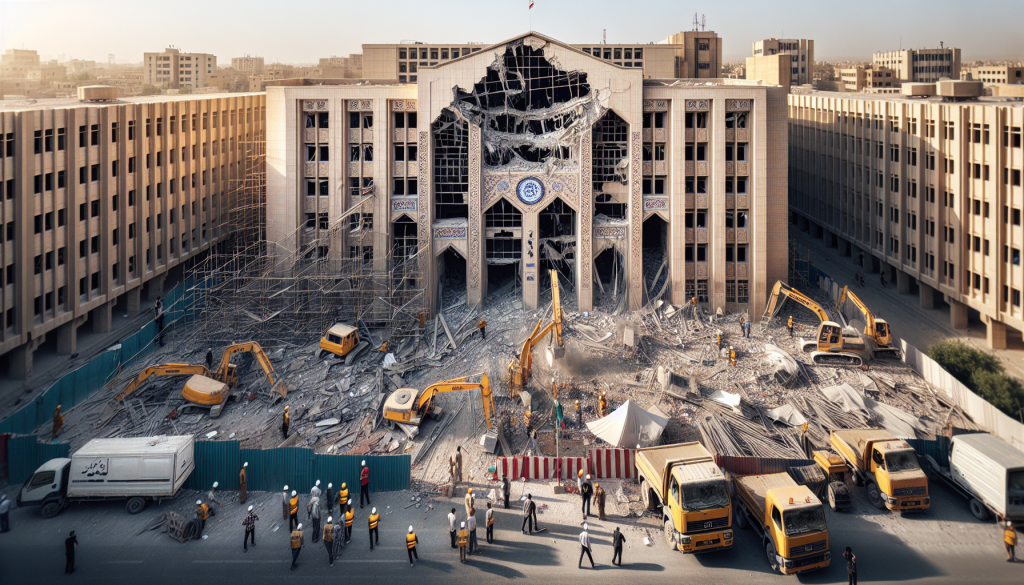
Iran has revealed intentions to repurpose a university location that suffered damage during US-Israeli military strikes into a museum. This initiative aims to preserve the memory of the attacks and educate future generations about the consequences of foreign interventions. The site, once an academic hub, now stands as a symbol of resilience amid ongoing regional tensions. By converting it into a museum, Iran seeks to document the historical significance of these events and their impact on its society.
These US-Israeli strikes have been part of a broader pattern of conflict in the Middle East, often targeting Iranian interests and allies. The damage inflicted on educational institutions underscores the collateral effects of such military actions on civilian infrastructure and cultural heritage. Iran’s decision to memorialize the site reflects a strategic move to reinforce national identity and resistance narratives. It also serves as a reminder of the persistent geopolitical struggles shaping the region’s future.
In a significant development, the museum project could attract both domestic and international attention, potentially influencing public opinion and diplomatic discourse. It may also contribute to Iran’s cultural diplomacy by showcasing the consequences of foreign aggression. Meanwhile, the transformation of the university site into a museum highlights the intersection of education, history, and politics in conflict zones. This effort exemplifies how nations affected by warfare seek to reclaim and reinterpret their spaces for collective memory and resilience.