



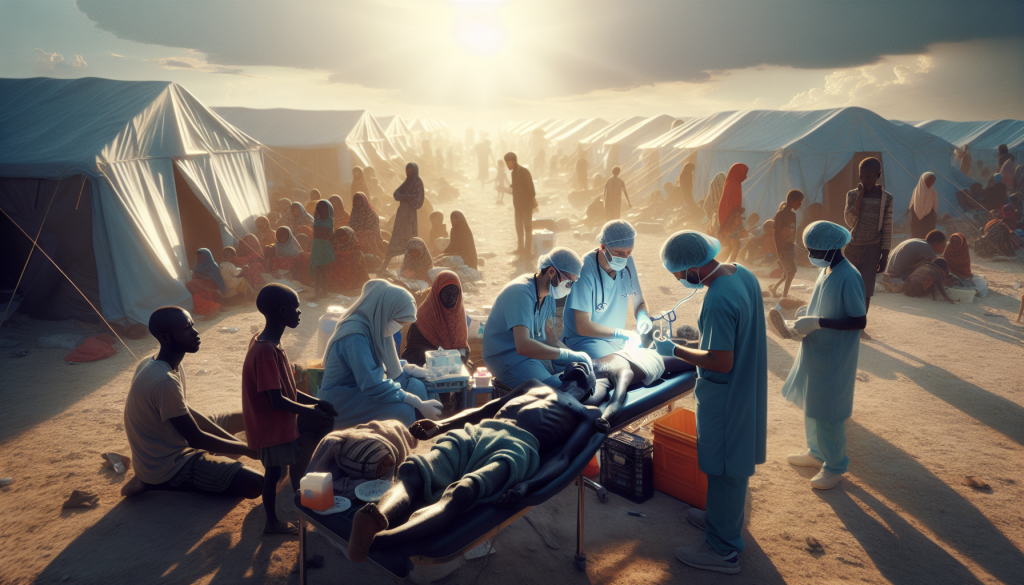
With the onset of summer, Gaza’s refugee camps are witnessing a significant increase in skin diseases, creating a growing concern for medical professionals working in the area. The combination of high temperatures and crowded living conditions exacerbates the spread of these ailments, making treatment and containment more difficult. Refugees, already vulnerable due to limited access to clean water and sanitation, face heightened health risks as the weather warms.
Healthcare workers in Gaza are struggling to manage the surge in skin infections, which range from fungal infections to bacterial conditions aggravated by heat and humidity. The camps’ infrastructure challenges, including inadequate healthcare facilities and shortages of medical supplies, further complicate efforts to address the outbreak effectively. This situation underscores the broader public health vulnerabilities in conflict-affected regions where environmental factors intensify existing hardships.
In a significant development, the rise in skin diseases highlights the urgent need for improved healthcare support and preventive measures in Gaza’s refugee camps. International aid organizations and local health authorities are called upon to enhance resources and implement targeted interventions to mitigate the impact. Addressing these health issues is critical not only for immediate relief but also for preventing long-term complications among the displaced populations living under harsh conditions.

Leave an opinion