In 2025, nearly the entire European continent experienced temperatures well above average, marking a year of unprecedented climate extremes. A joint report by the World Meteorological Organization (WMO) and the Copernicus Climate Change Service revealed that at least 95 percent of Europe recorded higher-than-normal temperatures throughout the year.
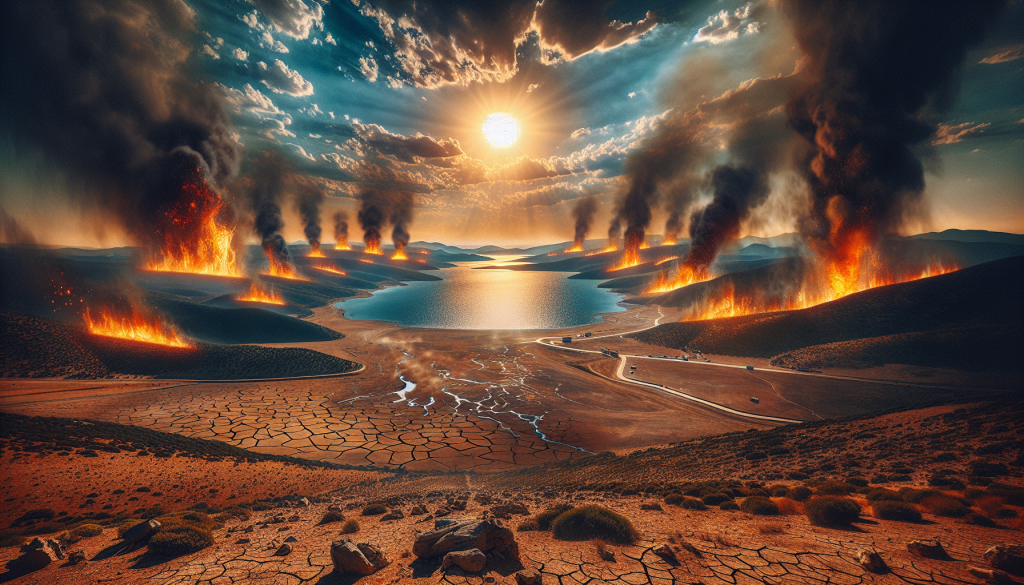
The continent faced a record-breaking wildfire season, with more than one million hectares consumed by flames—an area larger than Cyprus—setting a new annual high. Europe continues to be the fastest-warming continent globally, underscoring the escalating impacts of climate change amid ongoing policy discussions within the European Union.
Despite the EU’s commitment to environmental targets, certain climate regulations were eased last year due to pressure from industry sectors. Meanwhile, over half of Europe experienced drought conditions in May 2025, contributing to one of the three driest years for soil moisture since 1992. Scientists warn that these dry conditions are increasingly threatening agricultural productivity.
Sea surface temperatures also soared to record levels, with severe marine heatwaves affecting 86 percent of European waters. Samantha Burgess from the European Centre for Medium-Range Weather Forecasts emphasized, “Climate change is not a future threat, it is our present reality,” highlighting the urgent need for decisive action.
The report further raised alarms about warming in Europe’s coldest regions, where diminishing snow and ice reduce the albedo effect—the reflection of sunlight—which accelerates warming and contributes to rising sea levels. Notably, parts of sub-Arctic Europe, including Norway, Sweden, and Finland, endured their longest heatwave on record in July, lasting three weeks, with temperatures inside the Arctic Circle surpassing 30 degrees Celsius.
Meanwhile, Iceland suffered its second-largest glacier loss since records began, illustrating the rapid environmental changes occurring across the region. These developments collectively signal a critical moment for Europe as it confronts the intensifying consequences of climate change.