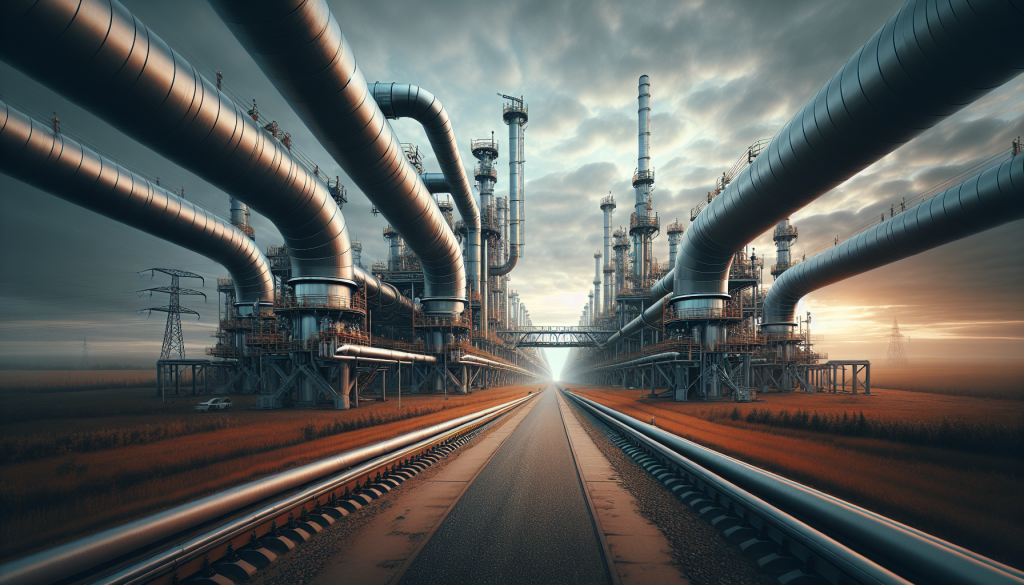
In a strategic move to weaken Russia’s economic influence in Europe, Ukraine has set its sights on the Druzhba pipeline, a major conduit for Russian oil exports to the European Union. This pipeline supplies significant quantities of crude oil to countries including Hungary and Slovakia, both of which continue to import Russian oil despite growing geopolitical tensions. Kyiv’s decision reflects a broader effort to pressure the EU into reducing energy dependence on Russia, especially in light of ongoing conflicts and sanctions.
Hungary and Slovakia’s continued reliance on Russian oil through the Druzhba pipeline highlights the complexities within the EU regarding energy security and political unity. While Brussels has pushed for sanctions and diversification of energy sources, some member states remain dependent on Russian supplies due to economic and infrastructural constraints. Ukraine’s intervention aims to disrupt this status quo by targeting the pipeline infrastructure, signaling a direct challenge to both Moscow and EU countries still engaged in trade with Russia.
In a significant development, Kyiv’s move could escalate tensions not only between Ukraine and Russia but also within the EU, as member states navigate the balance between energy needs and political solidarity. The potential disruption of the Druzhba pipeline underscores the critical role of energy routes in geopolitical conflicts and the ongoing struggle to reduce Europe’s reliance on Russian fossil fuels. This action may prompt accelerated efforts within the EU to seek alternative energy sources and reinforce collective sanctions against Russia.