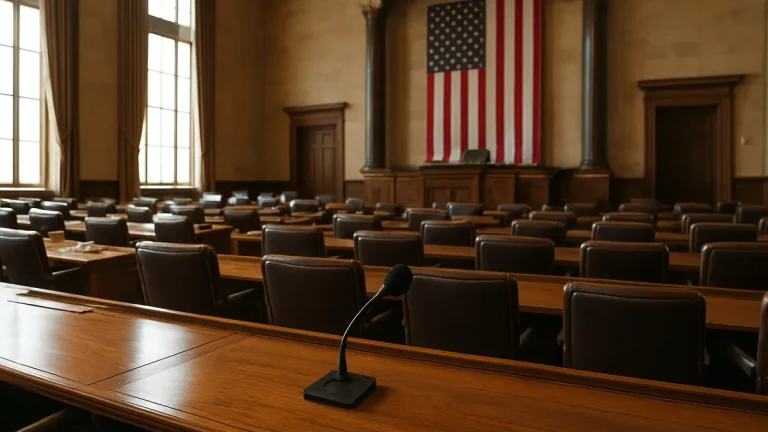
In a significant development, the ongoing conflict involving the United States and Iran has now extended beyond 60 days, raising critical questions about the legal authority to continue military actions. Under existing US law, specifically the War Powers Resolution, the President must seek Congressional approval to sustain hostilities beyond this two-month period. This legal framework aims to ensure that prolonged military engagements receive democratic oversight and legitimacy through elected representatives.
Meanwhile, experts emphasize that despite this requirement, Congress has shown reluctance to directly confront the issue, possibly due to the political sensitivities surrounding US-Iran relations and the potential ramifications of authorizing further military involvement. The hesitation to engage in a formal debate or vote may reflect broader divisions within the legislative branch and concerns about escalating tensions in the Middle East. This avoidance could have significant implications for the balance of power between the executive and legislative branches regarding war-making decisions.
Notably, the situation underscores the ongoing challenge of maintaining constitutional checks and balances during international conflicts. The outcome of this standoff may set a precedent for how future military actions are managed and authorized by the US government. As the conflict persists, the role of Congress in shaping US foreign policy and military engagement remains a pivotal issue with far-reaching consequences for both domestic governance and international stability.