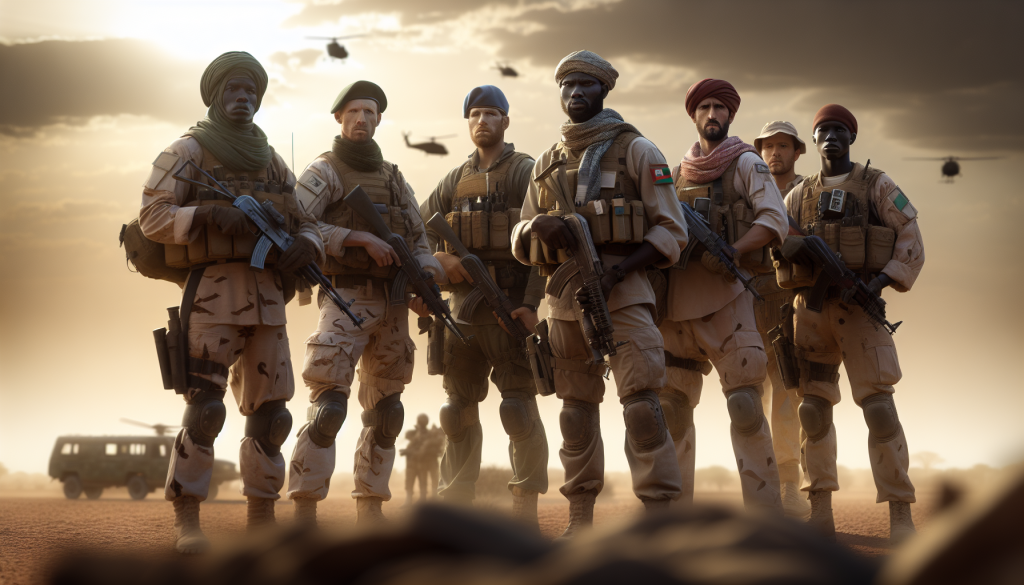
Mali’s military junta, which seized control with the promise of restoring stability, is now grappling with significant challenges after a surprise rebel offensive shook the region over the weekend. The attacks have raised serious questions about the junta’s ability to maintain security and control in the country. This development exposes the fragile nature of Mali’s political and security landscape, which has been volatile since the 2012 coup that triggered ongoing conflict.
In a significant development, the rebel offensive underscores the persistent threat posed by armed groups in Mali and the broader Sahel region. Despite efforts by the military government to consolidate power and improve security, insurgent factions continue to exploit weaknesses in governance and military capacity. This situation complicates international efforts to stabilize Mali, including support from regional and global partners engaged in counterterrorism and peacekeeping missions.
Meanwhile, the impact of the weekend’s attacks extends beyond immediate security concerns, potentially influencing Mali’s political trajectory and regional stability. The junta’s response will be closely watched as it navigates pressures both domestically and internationally. The outcome could determine whether Mali moves toward renewed conflict or manages to restore order and progress toward democratic governance.