Humanitarian organizations have issued a stark warning that almost eight million individuals in South Sudan are currently facing the threat of acute hunger. This alarming situation highlights the severe food insecurity gripping the country, exacerbated by ongoing conflict, economic instability, and climate-related challenges. The scale of the crisis is unprecedented, with millions at risk of malnutrition and starvation if urgent interventions are not implemented promptly.
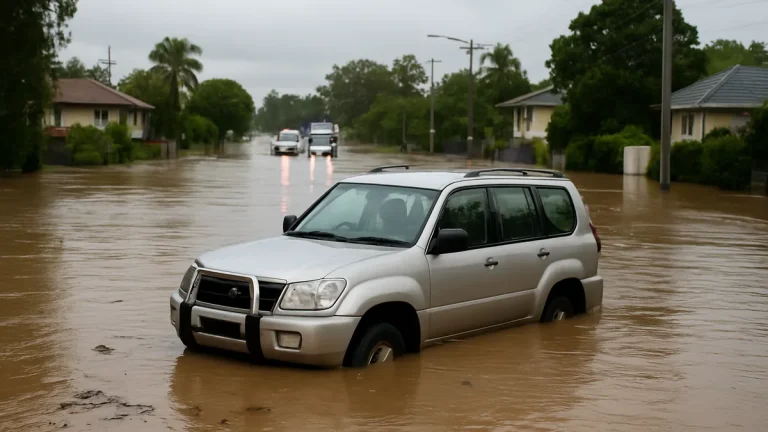
In a significant development, aid agencies emphasize that the window to prevent an irreversible humanitarian catastrophe is rapidly closing. The combination of disrupted agricultural production, displacement of communities, and limited access to essential resources has intensified the vulnerability of the population. Meanwhile, international support and coordinated relief efforts are critical to addressing the immediate needs and mitigating long-term consequences.
Notably, the crisis in South Sudan underscores the broader challenges faced by fragile states in managing food security amid conflict and environmental pressures. The international community’s response will be pivotal in averting widespread famine and stabilizing the region. Continued monitoring and increased funding for humanitarian aid remain essential to support millions caught in this dire situation.