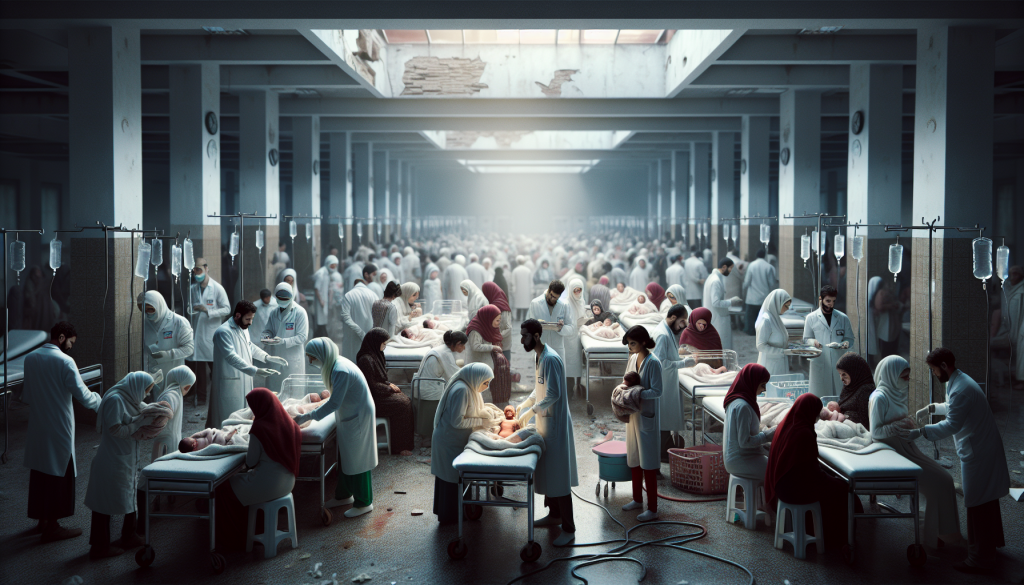
The Gaza Strip has witnessed a dramatic surge in stillbirths, increasing by 140%, alongside a doubling in the incidence of congenital anomalies. This alarming trend underscores the profound and lasting effects of the ongoing conflict on maternal and child health in the region. Medical facilities, already strained by war-related damage and shortages, struggle to provide adequate prenatal and neonatal care. The rise in these tragic outcomes reflects not only immediate war injuries but also the long-term consequences of disrupted healthcare and environmental hazards.
In a significant development, health experts emphasize that the conflict’s impact extends beyond physical destruction to deeply affect vulnerable populations, particularly pregnant women and newborns. Exposure to stress, malnutrition, and toxic substances linked to warfare contributes to these adverse birth outcomes. The healthcare system’s capacity to manage such complications is severely compromised due to limited resources and infrastructure damage. Meanwhile, humanitarian organizations call for urgent international support to address these escalating health crises.
Notably, the increase in stillbirths and birth defects in Gaza highlights the broader humanitarian toll of protracted conflict on civilian populations. These statistics serve as a stark indicator of the urgent need for peace and reconstruction efforts to restore essential health services. The situation also draws attention to the importance of monitoring and mitigating war-related health risks to protect future generations. Without immediate intervention, the long-term demographic and social consequences for Gaza’s population could be profound.