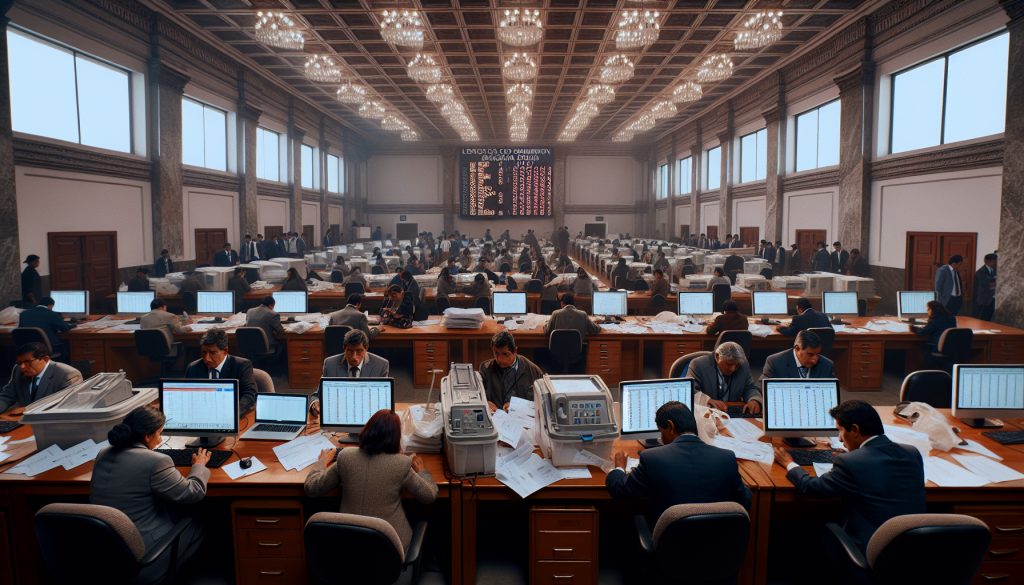
In a significant development, Peru’s election chief has stepped down amid growing frustration over the prolonged vote counting process. The resignation comes after election day was marred by delays in ballot delivery and other operational difficulties. These setbacks have intensified public dissatisfaction with the electoral authorities, raising concerns about the efficiency and transparency of the voting system. The challenges faced during this election underscore the complexities of managing large-scale democratic processes in Peru.
Ballot delivery delays were a major factor contributing to the slow tallying of votes, which in turn fueled widespread impatience among voters and political stakeholders. The logistical issues not only hindered timely results but also sparked debates about the preparedness and capability of the electoral commission. Meanwhile, the resignation of the election chief signals a critical moment for Peru’s democracy, as officials seek to restore public trust and ensure smoother future elections. This event highlights the importance of robust electoral infrastructure in maintaining political stability.
Looking ahead, the departure of the election chief may prompt reforms aimed at improving election management and preventing similar disruptions. The incident has drawn attention to the need for enhanced coordination and transparency in Peru’s electoral processes. As the country navigates these challenges, the focus will be on rebuilding confidence among voters and political parties alike. Ultimately, the situation reflects broader issues faced by democracies worldwide in balancing efficient administration with fair and credible elections.