

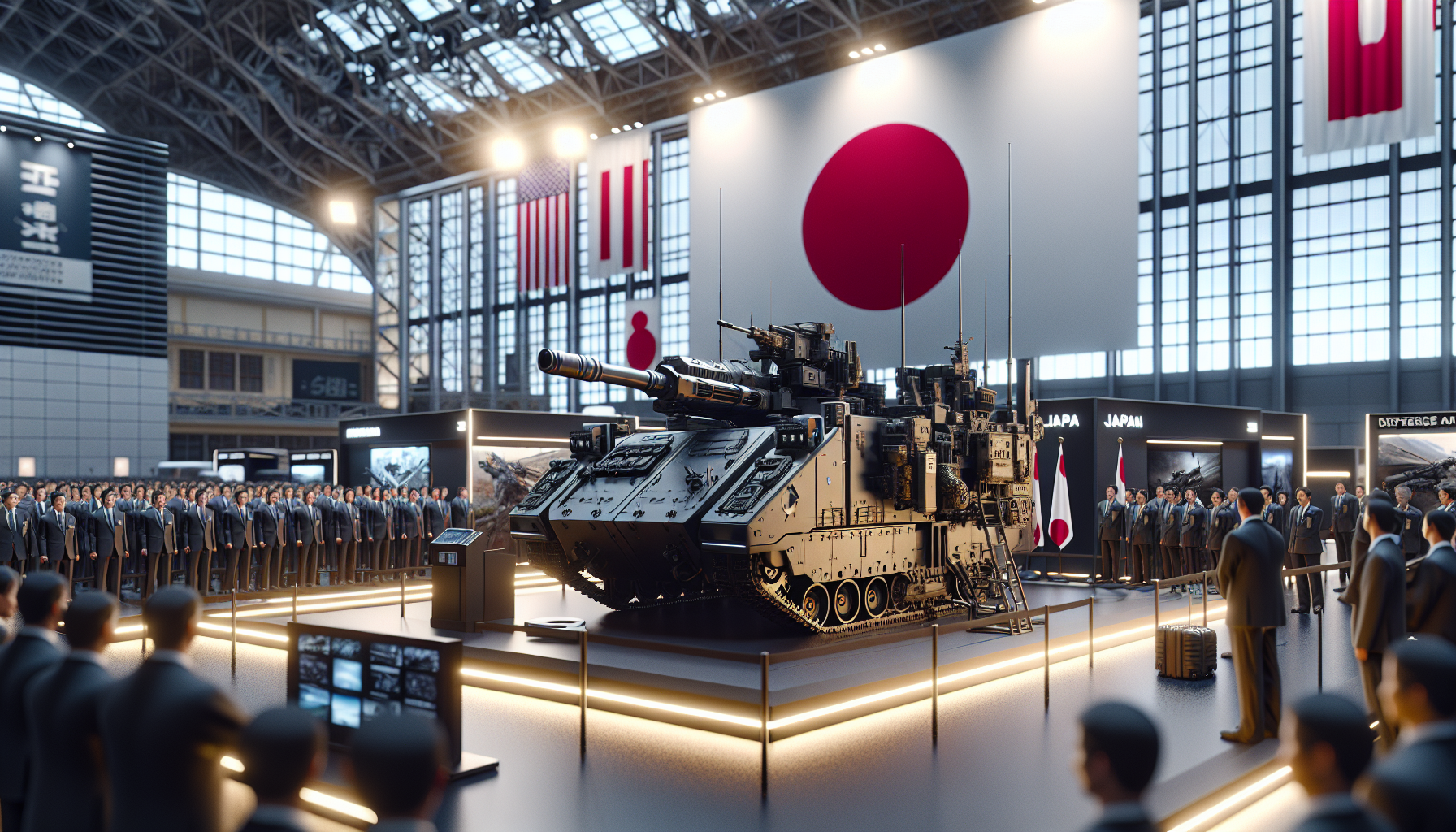
In a significant development, Japan has revised its longstanding arms export regulations, which were originally established in the aftermath of World War II to promote pacifism. This policy shift now permits the country to sell weapons to more than twelve foreign nations, broadening its role in the global defense market. The change reflects Japan’s evolving security strategy amid rising regional tensions and the need to strengthen alliances.
Historically, Japan maintained strict controls on arms exports to avoid involvement in international conflicts, adhering to a pacifist constitution. However, recent geopolitical challenges, including increased military activity in the Asia-Pacific region, have prompted Tokyo to reconsider these restrictions. By enabling arms sales, Japan aims to enhance its strategic partnerships and contribute more actively to regional security frameworks.
The loosening of arms export rules is expected to have significant implications for Japan’s defense industry and international relations. It opens new economic opportunities for Japanese manufacturers while signaling a more assertive stance in global security affairs. Meanwhile, this move may influence the balance of power in the region, as Japan strengthens ties with allied countries through defense cooperation.
