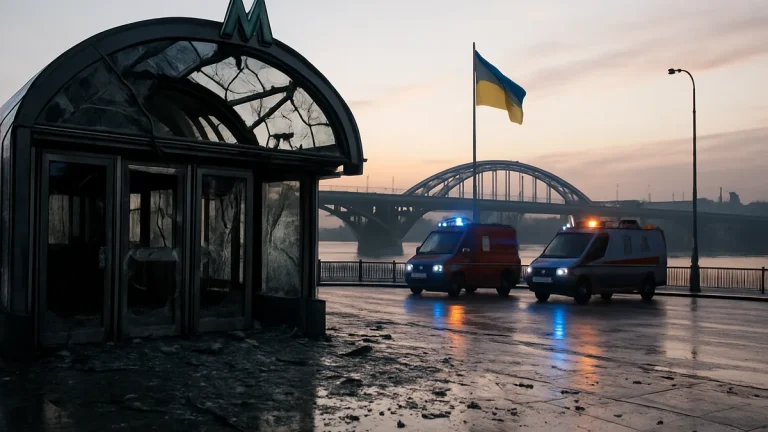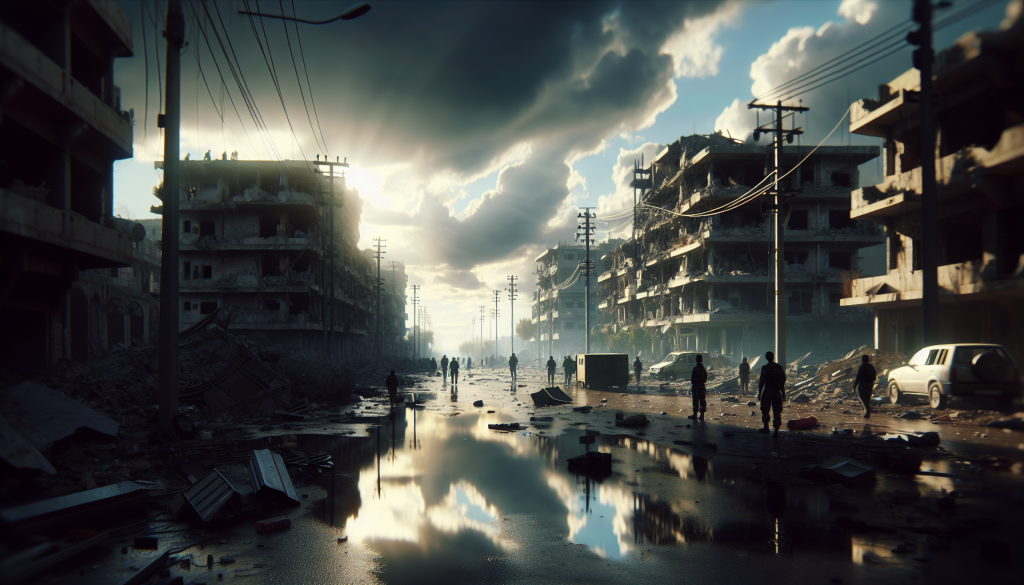
The recent ceasefire in Iran has halted the relentless bombing, offering a brief respite from the violence. However, the pause in attacks does little to undo the extensive damage inflicted on communities and individuals. Many residents describe their dreams and hopes as having been destroyed long before the ceasefire was declared. The physical destruction is matched by deep emotional and psychological scars that will take years to heal.
In a significant development, the ceasefire has not yet translated into meaningful recovery or security for those affected. Infrastructure remains in ruins, and essential services are disrupted, complicating efforts to rebuild. The fragile peace underscores the urgent need for sustained humanitarian aid and political solutions to prevent further suffering. Meanwhile, displaced families struggle to find stability amid ongoing uncertainty.
Notably, the impact of the conflict extends beyond immediate destruction, affecting the social fabric and future prospects of the region. The trauma experienced by survivors highlights the long-term consequences of war on mental health and community cohesion. As the ceasefire holds, international attention is focused on supporting reconstruction and addressing the underlying causes of the conflict to ensure lasting peace. The resilience of the people remains a crucial factor in overcoming this crisis.