

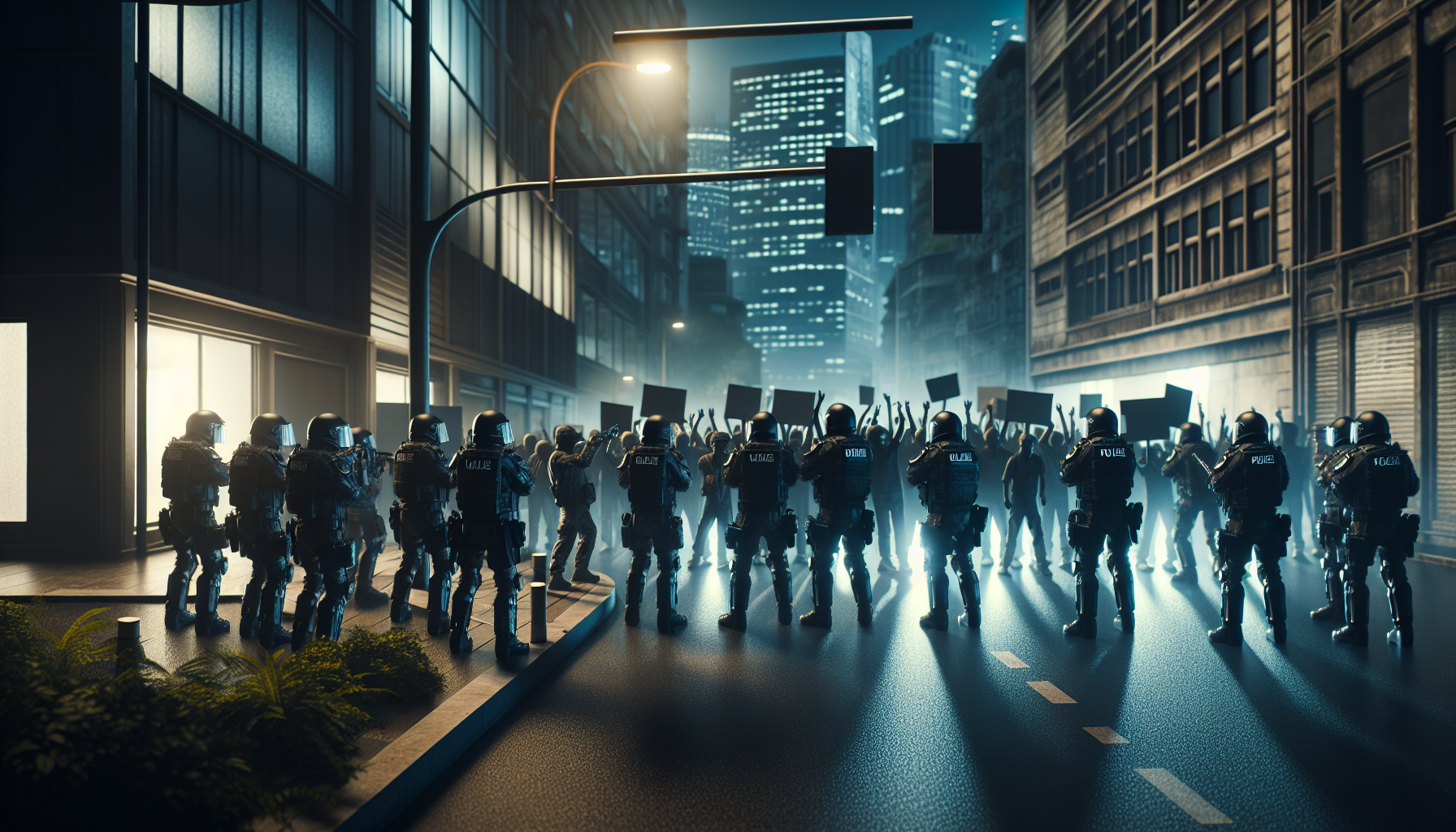
Political violence in the United States has increasingly become a pervasive and alarming phenomenon, manifesting as sudden outbreaks of unrest across various regions. This surge reflects a troubling pattern where political tensions escalate into physical confrontations, disrupting public order and safety. Historically, the US has experienced cycles of political violence, but recent incidents indicate a heightened frequency and intensity that challenge law enforcement and community resilience.
In a significant development, the current wave of violence is characterized by its unpredictability and widespread reach, affecting both urban centers and smaller communities alike. The underlying causes are complex, involving deep political polarization, social grievances, and the proliferation of extremist ideologies. This environment fosters a volatile atmosphere where disputes can quickly turn violent, undermining democratic processes and civil discourse.
Meanwhile, the impact of this ongoing crisis extends beyond immediate physical harm, contributing to a climate of fear and mistrust among citizens. It also places considerable strain on public institutions tasked with maintaining peace and protecting rights. Addressing this challenge requires comprehensive strategies that promote dialogue, enforce accountability, and strengthen social cohesion to break the cycle of violence and restore stability.
