A judicial commission investigating the tragic fire at Karachi’s Gul Plaza was informed on Tuesday that electrical inspections across the city have been suspended for the last 20 years. This revelation has intensified concerns about the long-standing neglect of safety protocols in Pakistan’s most populous metropolis.
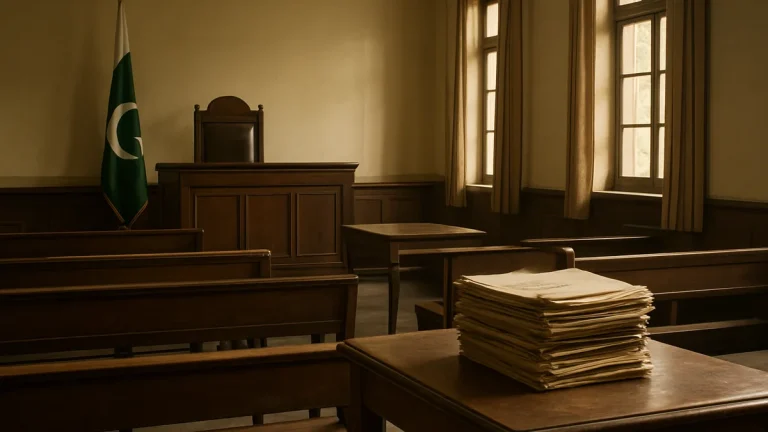
Presiding over the inquiry, Justice Agha Faisal of the Sindh High Court heard testimony from Electric Inspector Pervez Ahmed, who disclosed that his department has been prohibited from carrying out electrical safety inspections since 2003. Ahmed explained that this moratorium has severely hampered efforts to monitor and maintain electrical infrastructure, which is crucial in preventing fire hazards in commercial and residential buildings alike.
Ahmed elaborated on the responsibilities of his office, stating that their role involves thorough checks of electrical wiring and equipment, as well as verifying the validity and condition of fire-fighting apparatus. He emphasized that these inspections are vital to ensuring public safety, but regrettably, the department has been unable to perform these duties for two decades. When pressed about the reasons behind this prolonged suspension, he revealed that directives from higher authorities, including the energy ministry, had ordered a halt to all inspection activities. Ahmed presented an official notification issued by the irrigation and power authorities in 2003, which Justice Faisal scrutinized closely during the proceedings.
The judge questioned the rationale behind summoning Ahmed to the commission despite the clear instructions to cease inspections, highlighting a disconnect between policy and accountability. This exchange underscored the systemic failures that may have contributed to the devastating fire at Gul Plaza, which claimed numerous lives and exposed glaring gaps in Karachi’s emergency preparedness and regulatory oversight.
Further testimony shed light on the state of Karachi’s fire services. Chief Fire Officer Humayun Khan revealed that recruitment for the fire brigade has been frozen since 2009, resulting in a significant manpower shortage. Currently, 12 out of 22 sanctioned positions remain vacant, severely limiting the department’s capacity to respond effectively to emergencies. Khan also noted that his position was only recently upgraded to Grade 19 after 35 years, and he is simultaneously fulfilling the roles of both chief fire officer and team leader, reflecting the stretched resources and leadership challenges within the fire department.
The commission also heard from journalist Mohammad Babar, who had submitted statements regarding the incident. During cross-examination, Babar admitted that he was not present at the scene on the first day of the fire but entered the building later, providing a perspective on the evolving situation as the tragedy unfolded.
A particularly harrowing account came from civilian rescuer Mohammad Danish, who arrived at Gul Plaza at 10:20 am. Danish described using a ladder from a Karachi Metropolitan Corporation (KMC) fire tender to reach trapped individuals through a small grilled window. Thick smoke made it impossible to enter the building fully. He recounted a dramatic moment when the last person he rescued fainted, and the ladder slipped, leaving Danish stranded until he was rescued using a ladder from a Rescue 1122 vehicle. His testimony highlighted the dangers faced by both victims and rescuers during the crisis.
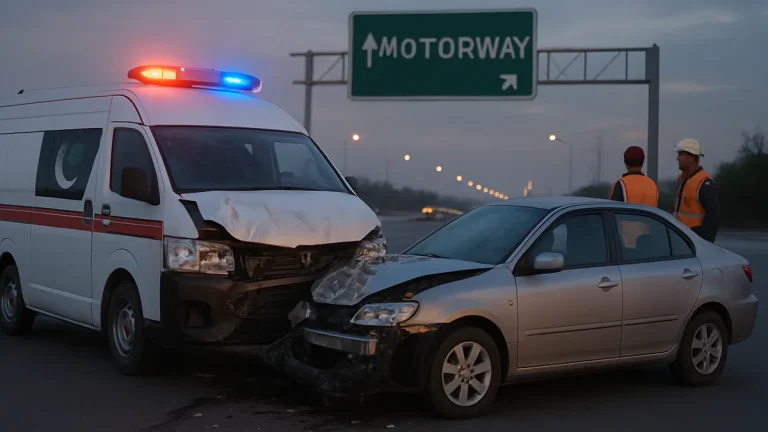
Rescue 1122 Director General Syed Wajid Sibghatullah provided further insights into the limitations faced by emergency services in Karachi. He explained that Rescue 1122 operates with constrained resources, maintaining only four stations and seven fire tenders citywide. The first Rescue 1122 fire tender was dispatched from the Defence Housing Authority (DHA) area and arrived at the scene at 10:53 am. Sibghatullah pointed out that a delayed report of 20 to 25 minutes significantly impacted response times, costing precious minutes in a situation where every second counts.
He also lamented the lack of essential heavy rescue equipment such as snorkels, aerial ladders, and excavators, which severely hampered efforts to save lives. Most casualties were reported on the ground floor and mezzanine levels, areas that could have been better accessed with proper gear. Following the hearing, Sibghatullah criticized the decision to switch off the electricity in the building during the fire, stating that this action trapped many people inside and drastically reduced their chances of escape.
In a related development, Mustafa Safvi, chairman of the Rampa Plaza Association, raised alarms about the structural integrity of the damaged Gul Plaza building, warning that it was tilting dangerously towards M.A. Jinnah Road, a major thoroughfare in Karachi. However, Justice Faisal clarified that concerns about the building’s stability fell outside the commission’s mandate, which is focused primarily on the fire incident and related safety issues.
The judicial commission has adjourned its session but is expected to continue its detailed examination of the multiple safety lapses and emergency response shortcomings that contributed to the Gul Plaza disaster. The inquiry aims to identify accountability and recommend measures to prevent such tragedies in the future, as the city grapples with longstanding challenges in enforcing safety regulations and equipping its emergency services adequately.