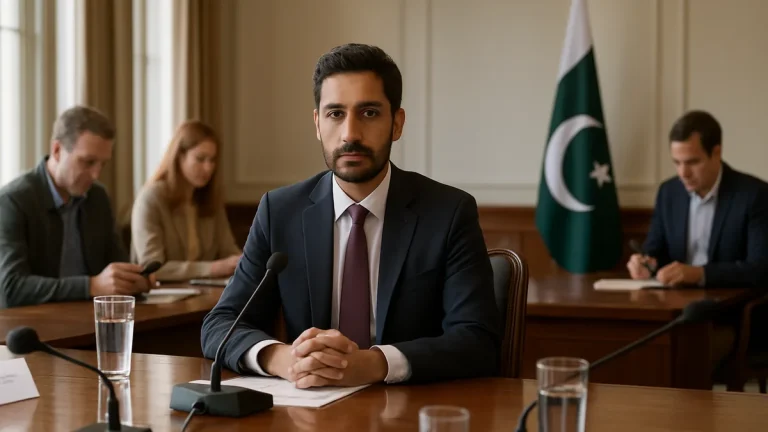
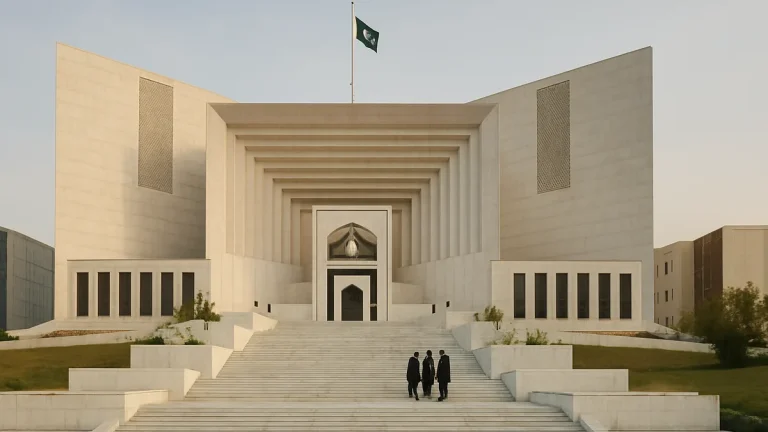
Islamabad witnessed a significant statement on Tuesday as Deputy Prime Minister and Foreign Minister Ishaq Dar addressed the Senate, shedding light on Pakistan’s proactive diplomatic engagement aimed at reducing escalating tensions in the Middle East. Dar emphasized that Pakistan has been vigorously involved in both overt and discreet diplomatic initiatives following a sudden and intense military strike by the United States and Israel targeting Iran. This move, he noted, has positioned Pakistan as a potential mediator striving to foster dialogue between the conflicting parties.
Dar recounted how Islamabad responded promptly to the crisis earlier this year, issuing its initial public statement on February 28, shortly after the attacks. The Foreign Minister further revealed that Pakistan extended condolences following the death of Iran’s Supreme Leader, Ayatollah Ali Khamenei, who was reportedly killed during the Israeli strikes. This tragic development added a new layer of complexity to the already fragile regional dynamics.
Highlighting the government’s commitment to peace, Dar mentioned that Prime Minister Shehbaz Sharif personally expressed sorrow over Khamenei’s demise, underscoring Pakistan’s dedication to stabilizing the situation through sustained diplomatic efforts. The Prime Minister’s statement was part of a broader strategy to engage with all stakeholders and encourage restraint amid rising hostilities.
Moving beyond public diplomacy, Dar revealed that Pakistan has also been employing back-channel communications to urge all sides to avoid further escalation. The recent retaliatory missile and drone attacks launched by Tehran against US interests and military bases across the Gulf have heightened the urgency for de-escalation. Pakistan’s diplomatic outreach has included conversations with multiple countries over the past several days, aiming to promote dialogue as the only feasible solution to the conflict.
“Iran is not just a neighbor but a brotherly nation,” Dar remarked, emphasizing the deep historical and cultural ties between the two countries. He added that Pakistan’s efforts, both public and private, have been recognized and appreciated by Iranian leadership, reflecting Islamabad’s influential role in regional peacebuilding.
In a significant disclosure, Dar stated that Iran has committed to refraining from pursuing nuclear weapons, a message he conveyed during discussions with US Secretary of State Marco Rubio. This development is crucial as it aligns with Pakistan’s stance supporting Iran’s right to develop a peaceful nuclear program within the framework of international law. Dar also expressed Pakistan’s readiness to serve as a neutral venue for mediation between Washington and Tehran, highlighting Islamabad’s willingness to facilitate constructive dialogue.
These remarks come amid ongoing international diplomatic efforts to resolve the crisis. Oman has played a key role in mediating indirect talks between the United States and Iran in Geneva, which have reportedly made notable progress despite not yet reaching a formal agreement. Negotiations are scheduled to continue in Vienna next week, underscoring the global community’s persistent pursuit of a peaceful resolution.
The conflict has exacerbated instability in an already volatile region, prompting warnings from global powers and international organizations about the severe consequences of further escalation. Russia’s Foreign Minister has publicly challenged Washington’s claims regarding Iran’s nuclear ambitions, stating that Moscow has found no evidence supporting such accusations. He called for an immediate halt to hostilities to prevent additional civilian casualties and to preserve regional security.
Pakistan’s diplomatic push aligns with these broader international efforts aimed at preventing the Middle East crisis from spiraling into a full-scale war. By advocating for dialogue and peaceful negotiation, Islamabad hopes to contribute meaningfully to salvaging the stalled nuclear discussions with Tehran and maintaining stability in a region critical to global peace and security.