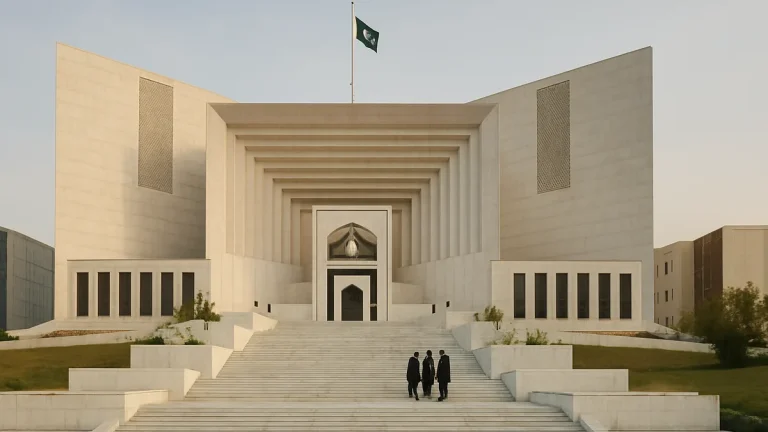
The Pakistan Senate is scheduled to convene today at 11:30am in the Parliament House located in Islamabad, where lawmakers will engage in discussions over a detailed agenda comprising 54 distinct points. This session is expected to cover a wide range of legislative and oversight matters, reflecting the Senate’s ongoing role in shaping national policy and governance.
Among the key items on the agenda is a motion seeking a 60-day extension for the submission of a committee report investigating serious irregularities within the Korangi Fish Harbour Authority. This extension request highlights the complexity and sensitivity of the issues under scrutiny, emphasizing the Senate’s commitment to thorough examination before drawing conclusions.
In addition to oversight matters, the session will witness the introduction of significant legislative proposals, including bills aimed at establishing two new higher education institutions in the federal capital. The Al-Biruni International University and Danish University Islamabad bills are poised to expand educational opportunities and contribute to Islamabad’s academic landscape, reflecting the government’s focus on enhancing access to quality education.
The agenda also includes proposed amendments to several important laws and constitutional articles. These encompass changes to the Pakistan Medical and Dental Council Act, as well as suggested revisions to Articles 62, 153, and 228 of the Constitution of Pakistan. Such amendments are critical as they pertain to the regulatory frameworks governing professional standards and constitutional provisions, potentially impacting governance and institutional accountability.
Further legislative reviews will cover amendments to the Family Courts Act of 1964 and the NADRA Ordinance of 2000, both of which play vital roles in the country’s legal and administrative systems. The Senate will also consider committee reports addressing infrastructure concerns, including the deteriorated condition of the road connecting the motorway to the Lowari Tunnel, as well as progress updates on the construction of roads in the Chitral region, specifically Arandu and Garam Chashma. These infrastructure projects are crucial for improving connectivity and fostering regional development.
Moreover, the session will present committee findings on the Public Sector Development Programme (PSDP) for the fiscal year 2026-27, offering lawmakers an opportunity to evaluate government spending priorities and development outcomes. Attention will also be given to pressing issues raised through call-attention notices, such as administrative challenges faced by the national hockey team during their tour in Australia and difficulties encountered by Pakistani citizens in obtaining visas from the UAE, Oman, and Saudi Arabia.
Additional legislative matters include amendment bills to the Civil Servants Act and the Service Tribunals Act, alongside proposals to modify the Imports and Exports Control Act. The Senate is also set to debate the alarming Rs3.2 trillion circular debt burden in the gas sector, a critical economic challenge affecting energy supply and financial stability. Furthermore, discussions will focus on Pakistan’s low ranking—222 out of 226 countries—in the Global Investment Risk Index, underscoring concerns about the country’s investment climate and economic competitiveness.
Issues of social representation will not be overlooked, with motions slated for debate regarding the proportion of reserved seats allocated to minorities in legislative bodies. This reflects ongoing efforts to ensure inclusivity and fair representation within Pakistan’s political system.
Lastly, the Senate will consider proposed amendments to its own procedural rules, including a notable suggestion to allow unanswered questions to be carried forward to subsequent sessions. This procedural change aims to enhance legislative efficiency and ensure that important queries receive due attention even if not addressed immediately.
Overall, today’s Senate session promises to be a comprehensive and multifaceted gathering, addressing a broad spectrum of issues ranging from education and infrastructure to governance reforms and economic challenges. The outcomes of these deliberations will likely have significant implications for Pakistan’s legislative landscape and policy direction in the months ahead.