
LAHORE: A significant gap between peak electricity demand and available generation capacity has resulted in sudden, unannounced power outages, intensifying difficulties for the public. Although the government declared a limited load-shedding plan on Tuesday to address fuel shortages, the actual power interruptions have far surpassed the official estimates, with outages reportedly doubling or tripling the announced durations.
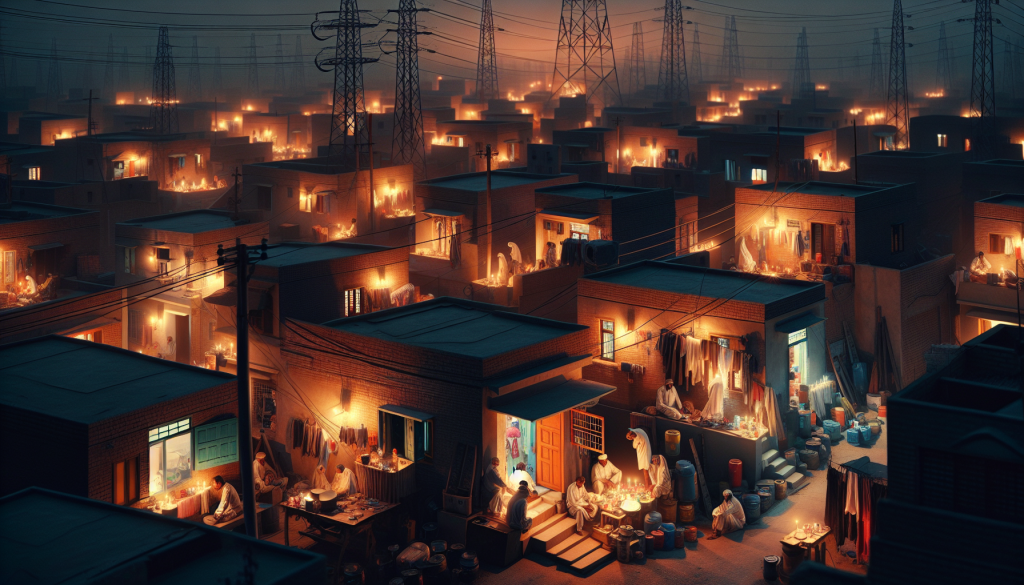
In an attempt to curb a steep rise in electricity tariffs and reduce reliance on costly imported fuels, the Power Division announced a daily power suspension of roughly 2.25 hours between 5pm and 1am. However, consumer reports reveal that urban areas are enduring three to four hours of darkness, while rural communities face six to eight hours of daily load-shedding.
The energy instability has become increasingly severe even in the provincial capital. Khalid Ali, a resident of the Walled City, expressed his frustration over the erratic supply. He recounted experiencing three separate outages, each lasting an hour, within the first four hours of the evening peak demand period: from 5:15 to 6:15pm, 6:30 to 7:30pm, and 8:15 to 9:15pm. Other localities are reportedly facing even harsher conditions.
Shafiq, living in Iqbal Town, described a chaotic scenario where power is cut abruptly every 15 to 20 minutes after 8pm, making the supply highly unpredictable. He emphasized that a stable power supply is essential for normal urban life and voiced concerns over potential damage to expensive electronic devices due to frequent power fluctuations.
Residents noted a sharp deterioration in conditions over the past 24 hours, with many households left without electricity to operate water pumps or carry out basic chores. Meanwhile, officials maintain that these power suspensions are necessary to limit the use of expensive fuels and prevent a drastic increase in electricity tariffs.
Nevertheless, for citizens enduring rising temperatures and prolonged darkness, the gap between official assurances and the harsh reality of a failing power grid is increasingly intolerable. Adding to the crisis is a complete lack of coordination between power outage schedules and municipal water supply timings.
Since water pumps depend on electricity, the unpredictable and unannounced outages have left many neighborhoods without water. In numerous areas, the brief periods when water is available coincide exactly with power cuts, preventing residents from filling overhead tanks. This misalignment has transformed the electricity crisis into a severe water shortage emergency, severely impacting families struggling with basic hygiene and hydration during the hot evening hours.