



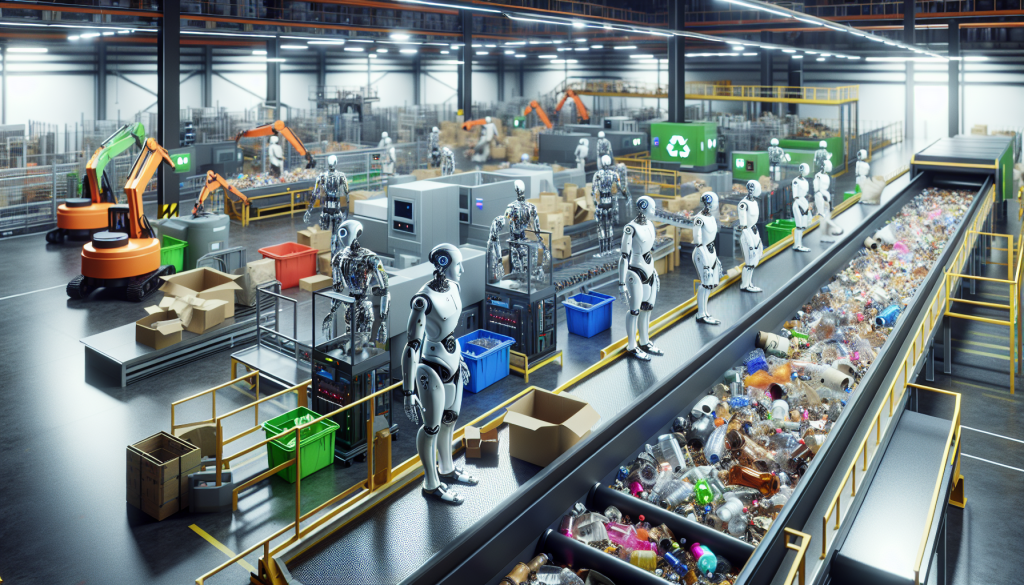
In response to persistent labor shortages, waste management firms are increasingly integrating humanoid robots into their sorting operations. These advanced machines are designed to handle complex tasks traditionally performed by human workers, improving efficiency and accuracy in waste processing. The adoption of robotic technology marks a significant shift in the industry, aiming to streamline operations and reduce dependency on manual labor.
Automation in waste sorting has been evolving over the past decade, but the introduction of humanoid robots represents a new frontier. These robots can mimic human movements and decision-making, allowing them to identify and separate various types of waste more effectively. This technological advancement not only addresses workforce gaps but also enhances recycling rates and environmental sustainability efforts.
Meanwhile, the broader implications of this development extend to labor markets and environmental management. As robots take on more roles in waste handling, companies anticipate cost savings and improved workplace safety. However, this shift also raises questions about the future of employment in the sector and the need for reskilling workers to adapt to emerging technologies.

Leave an opinion