



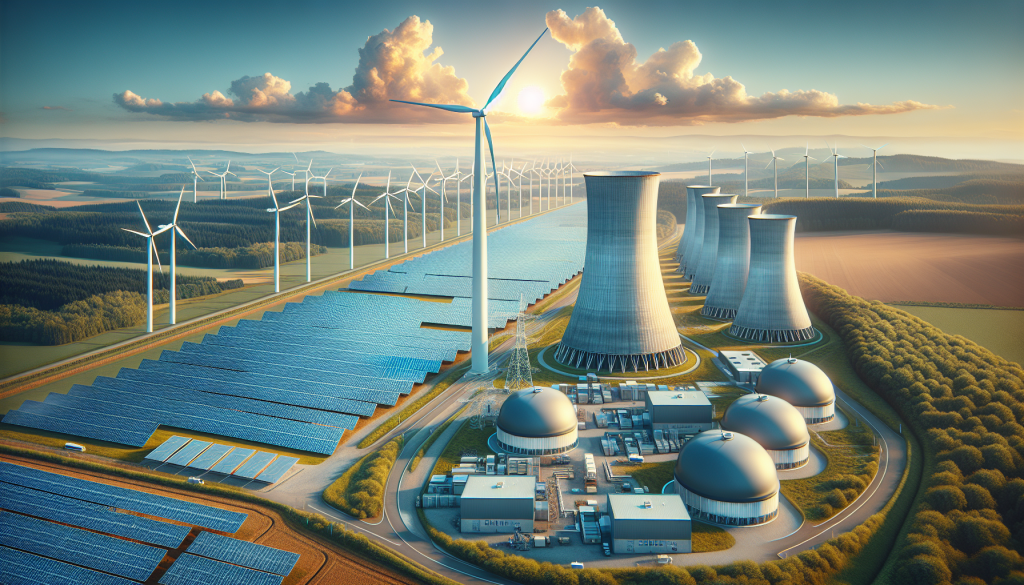
The catastrophic Chernobyl nuclear disaster of 1986 remains one of the most devastating technological failures in history, highlighting the dangers of centralized nuclear power plants. In the decades since, energy experts have increasingly advocated for decentralized renewable energy systems as a safer and more resilient alternative. These systems distribute power generation across multiple smaller units, reducing the risk of large-scale failures and environmental catastrophes.
Decentralized renewable energy, which includes solar panels, wind turbines, and other distributed generation technologies, offers enhanced security during both war and peace. Unlike centralized nuclear plants, these systems are less vulnerable to targeted attacks or operational failures, ensuring continuous power supply even under adverse conditions. This resilience is crucial for maintaining critical infrastructure and public safety in uncertain times.
In a significant development for global energy policy, the shift towards decentralized renewables not only mitigates the risk of nuclear disasters but also supports sustainable development goals by reducing carbon emissions. Governments and energy planners worldwide are increasingly recognizing the importance of investing in these technologies to build a safer, cleaner, and more reliable energy future. This approach promises to prevent tragedies like Chernobyl from ever occurring again.

Leave an opinion