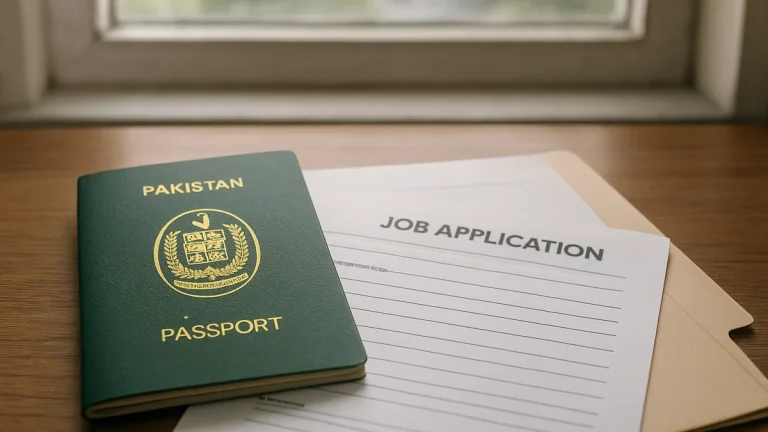
A significant advancement in digital governance has been made with the introduction of a paperless driving license system in a prominent city of Pakistan. This initiative is designed to streamline the licensing process by eliminating physical documents, thereby enhancing convenience for applicants and reducing bureaucratic delays. The move aligns with global trends toward digitization in public services, reflecting the country’s commitment to adopting modern technology in administrative functions.
Notably, the paperless system is expected to improve record-keeping accuracy and reduce the risk of document forgery, which has been a persistent issue in traditional licensing methods. By leveraging digital platforms, authorities can ensure faster verification and renewal processes, benefiting both the government and the citizens. This development also supports environmental sustainability by minimizing paper usage in official documentation.
Meanwhile, the implementation of this system could serve as a model for other cities across Pakistan, encouraging nationwide adoption of digital solutions in various government sectors. The success of this pilot project may pave the way for broader reforms in transport and licensing authorities, ultimately contributing to improved public service delivery and enhanced road safety management. Stakeholders are optimistic that this technological upgrade will foster greater transparency and efficiency in the licensing framework.