



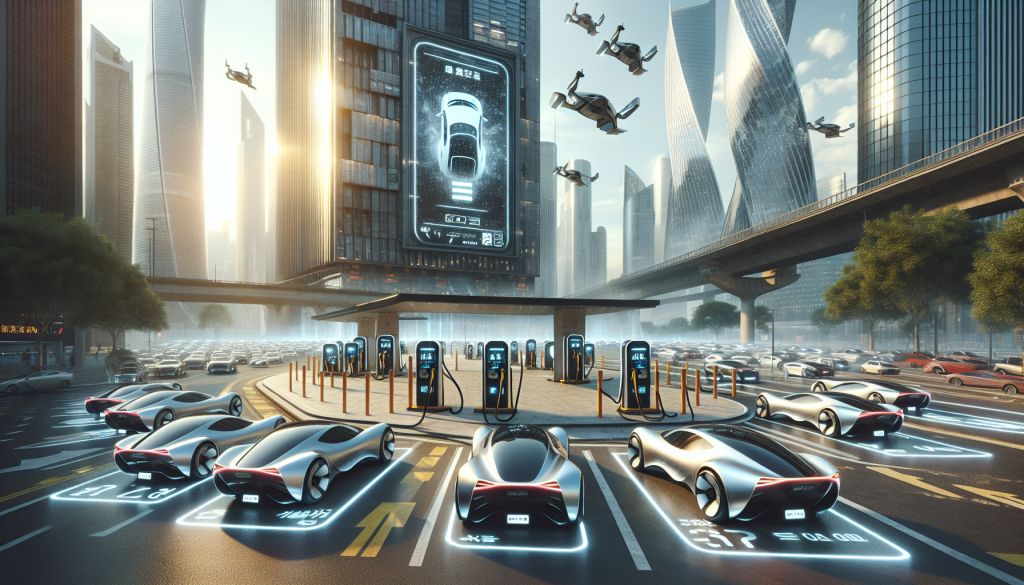
The escalating tensions between the United States and Iran have disrupted global fuel supplies, prompting countries and consumers to seek alternative energy solutions. In this context, China’s electric vehicle (EV) industry is emerging as a major beneficiary, leveraging its advanced technology and manufacturing capabilities. The crisis has intensified the urgency for cleaner, more efficient transportation options, positioning EVs as a practical response to fuel scarcity and price volatility worldwide.
China’s rapid development in EV technology, including innovations like flying cars and ultra-fast charging systems capable of replenishing batteries in just five minutes, highlights its commitment to revolutionizing the automotive sector. These advancements not only address environmental concerns but also offer strategic advantages amid geopolitical uncertainties affecting oil markets. The country’s robust infrastructure and government support further enhance its ability to capitalize on shifting consumer preferences toward electric mobility.
In a significant development, the global energy landscape is witnessing a transformative phase where traditional fuel dependency is being challenged by sustainable alternatives. China’s leadership in the EV market could reshape international trade dynamics and reduce reliance on fossil fuels, contributing to long-term energy security. Meanwhile, the US-Iran crisis underscores the fragility of oil-dependent economies and accelerates the transition toward innovative transportation technologies worldwide.

Leave an opinion