



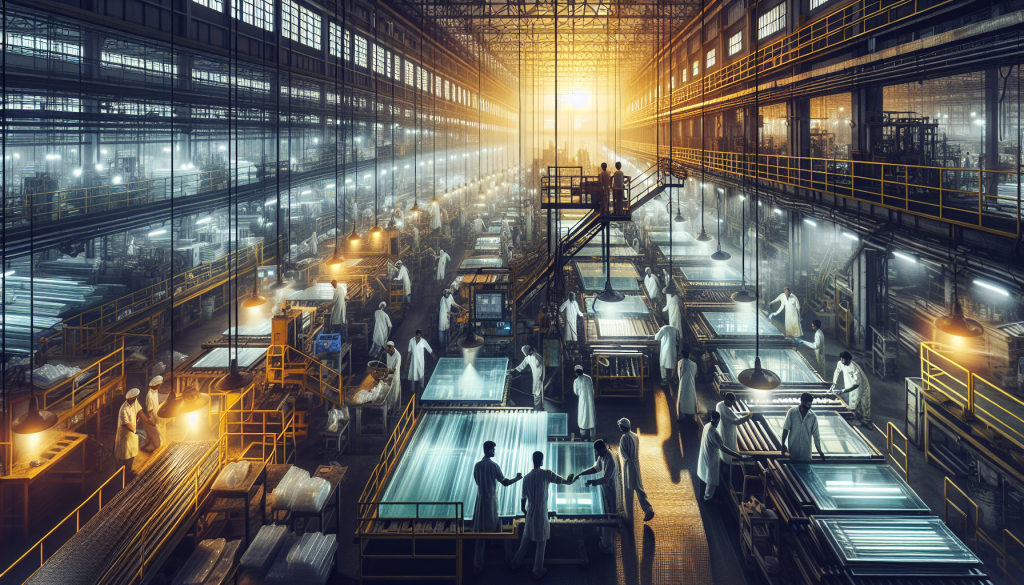
The ongoing conflict in the Middle East has caused significant disruptions in global supply chains, directly impacting India’s glass manufacturing industry. This sector, which relies heavily on raw materials and components imported from the region, is now facing soaring costs. These increased expenses are placing considerable financial strain on manufacturers, forcing many to reconsider production levels and operational expenses.
India’s glass industry is a crucial part of the country’s manufacturing landscape, providing employment to thousands of workers across various regions. The rising input costs threaten to reduce profit margins, which could lead to layoffs or reduced wages for employees. This situation highlights the vulnerability of domestic industries to geopolitical tensions far beyond their borders, underscoring the interconnected nature of global trade.
In a significant development, the economic ripple effects of the Middle East conflict extend beyond immediate conflict zones, affecting everyday livelihoods in distant countries like India. Policymakers and industry leaders are now challenged to find ways to mitigate these impacts, possibly by diversifying supply sources or increasing local production capabilities. The outcome will be critical for sustaining jobs and stabilizing the glass sector amid ongoing international uncertainties.

Leave an opinion