



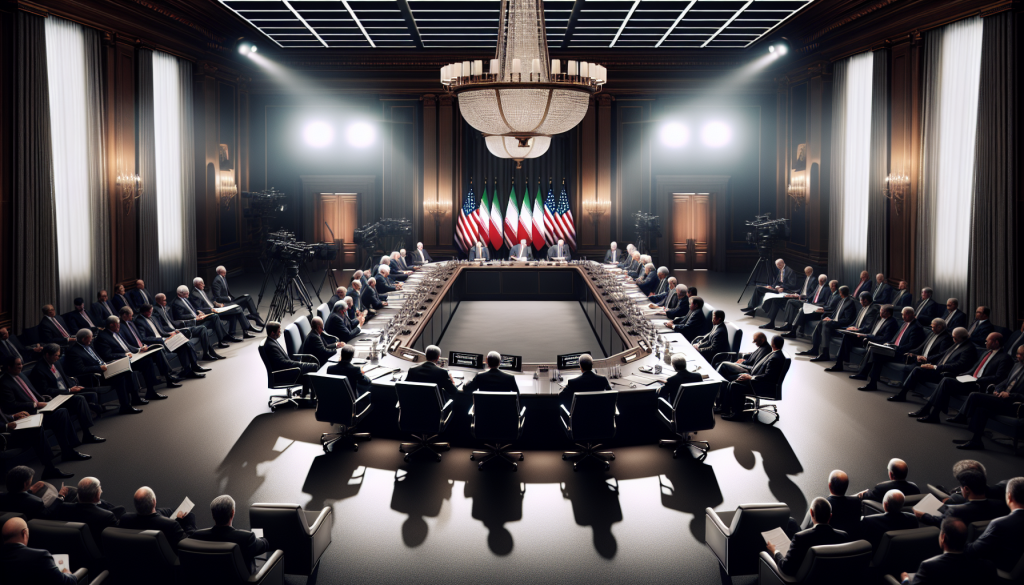
In a significant development, the Trump administration has rejected Iran’s latest proposal aimed at resolving concerns over its nuclear program. The US government criticized the offer for not adequately addressing the full scope of Tehran’s nuclear ambitions, signaling continued skepticism about Iran’s intentions. This stance reflects ongoing tensions between Washington and Tehran regarding nuclear compliance and regional security.
Iran’s proposal was seen as an attempt to revive diplomatic negotiations following years of strained relations and sanctions. However, the US response underscores the challenges in reaching a comprehensive agreement that satisfies international demands for transparency and non-proliferation. The rejection also highlights the broader geopolitical struggle over Iran’s role in the Middle East and its nuclear capabilities.
Meanwhile, this impasse could have significant implications for global security and diplomatic efforts aimed at curbing nuclear proliferation. The US position may influence other world powers involved in the negotiations, potentially complicating future talks. As both sides remain entrenched, the international community watches closely for any shifts that could lead to a breakthrough or further escalation.

Leave an opinion