
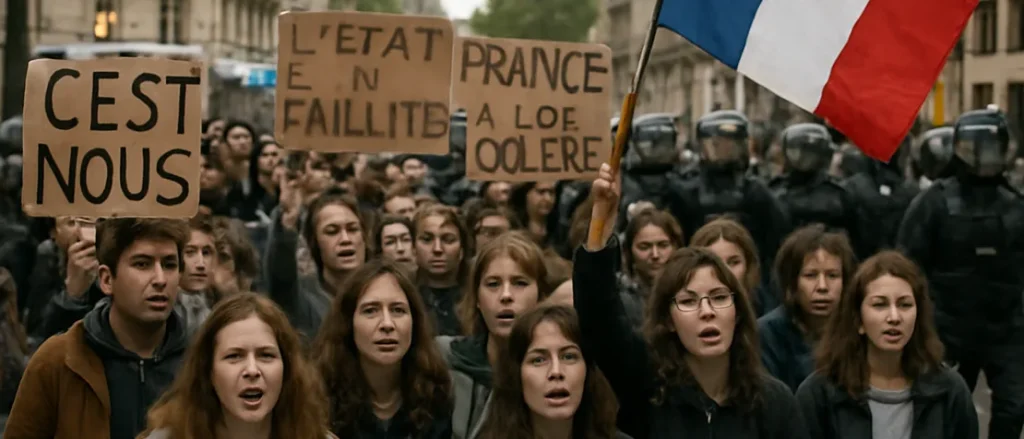

In France, student protests have emerged as a significant expression of the country’s growing political polarization. These demonstrations, primarily led by young people, have brought attention to widespread dissatisfaction with the police and broader societal issues. The protests have become a symbol of the tensions between different segments of French society, particularly regarding law enforcement’s role and government policies.
The unrest among students underscores a broader national debate about authority, justice, and social equity. Many protesters express frustration with what they perceive as police brutality and systemic injustice, fueling a narrative of alienation and mistrust toward state institutions. This dynamic has intensified political divisions, with various groups interpreting the protests through contrasting ideological lenses.
The ongoing demonstrations have significant implications for France’s social cohesion and political landscape. They reveal underlying fractures that challenge the government’s ability to maintain order and address citizens’ grievances effectively. As the protests continue, they serve as a barometer of the nation’s struggle to reconcile competing visions of justice, security, and democracy.