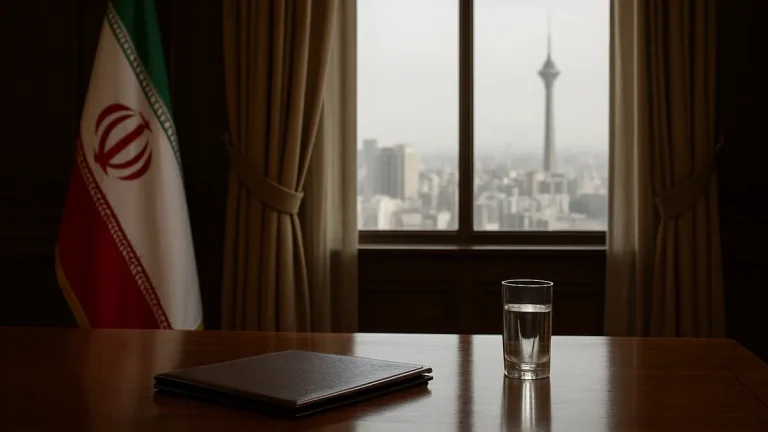
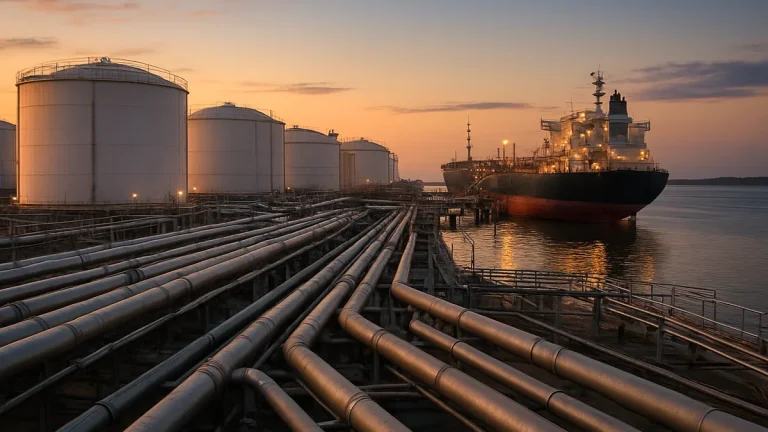
The United States is preparing to impose its most severe sanctions yet on Iran, targeting the country’s economic activities in an effort to curb its regional influence and nuclear ambitions. These measures are expected to affect multiple sectors, including finance, energy, and trade, aiming to pressure Tehran into compliance with international demands. The move reflects ongoing tensions between Washington and Tehran, which have escalated following the US withdrawal from the Iran nuclear deal in 2018.
In response, Iranian officials have issued strong warnings, pledging to retaliate against any nation that participates in enforcing these new sanctions. Tehran’s threats underscore the potential for increased geopolitical instability in the Middle East, as Iran seeks to counteract what it perceives as economic aggression. This standoff raises concerns about the broader impact on global markets, particularly oil prices, and the security dynamics in the region.
Notably, the international community remains divided on the approach to Iran, with some countries advocating for diplomatic engagement while others support the US-led sanctions regime. The unfolding situation highlights the challenges of balancing sanctions enforcement with efforts to avoid military conflict. As the US moves forward with its strategy, the coming weeks will be critical in determining whether tensions escalate or if diplomatic channels can mitigate the risks.